
Calculate Your Zakat. Transform Lives Across Africa.
Fulfill your religious obligation with confidence. Every dollar you give reaches Africa's most vulnerable as clean water, healthcare, education, and more.

2,300+

Water Wells Constructed
Solar-powered and pump-equipped wells giving rural communities a safe, permanent water supply.
3,000+
Orphans Sponsored
Children receiving regular financial support, case management, schooling, and care through ARCD's long-term sponsorship program.
150+
Educational Centers Established
Schools and Masajids built or supported to keep Africa's children learning
Understanding the Nisab Threshold for Calculating Zakat
Before Zakat becomes obligatory, your wealth must meet or exceed a minimum threshold known as the Nisab. This benchmark ensures that Zakat is only required from Muslims who possess sufficient wealth beyond their essential living needs.
The Nisab is traditionally measured using either:
- 85 grams of gold
- 595 grams of silver
Many scholars allow individuals to choose either the gold or silver standard, though the silver Nisab generally results in more people becoming eligible to pay Zakat due to its lower value. Once your zakatable wealth remains above the Nisab threshold for one lunar year (Hawl), you are required to pay 2.5% of your eligible assets as Zakat.
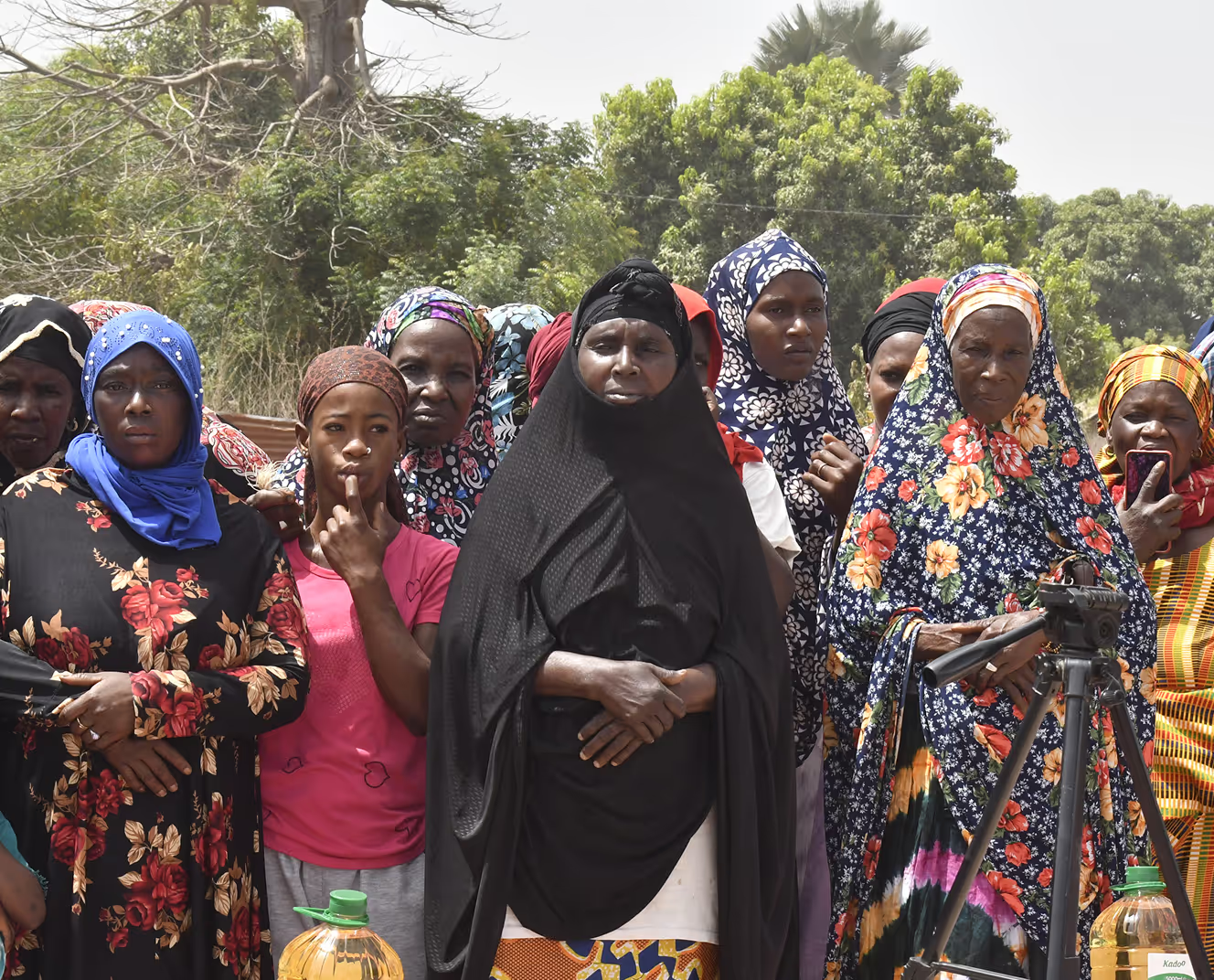
If your wealth meets or surpasses the Nisab, your Zakat can become a powerful source of support for vulnerable families across Africa, helping provide access to clean water, healthcare, education, food assistance, and other essential services.
How to Calculate Zakat on Savings, Gold, and Investments
Calculating Zakat begins by determining your total zakatable assets and subtracting any eligible liabilities. Once you have your net zakatable wealth, you can calculate 2.5% of that amount if it exceeds the Nisab threshold.

Cash and Savings
All money held in checking accounts, savings accounts, cash on hand, and digital wallets should be included at its current value.

Gold and Silver
Gold and silver should be valued according to their current market price, regardless of whether they are held as coins, bars, or jewelry that is subject to Zakat according to your scholarly opinion.

Stocks and Investments
Stocks, mutual funds, investment portfolios, and other investment assets may be subject to Zakat. Depending on the nature of the investment, different calculation methods may apply, but many investors begin by assessing the current market value of their holdings.

Business Assets
Inventory, trade goods, and business-related assets intended for sale are generally included in Zakat calculations.

Outstanding Debts
Short-term debts and liabilities due within the current year may be deducted before calculating your final Zakat obligation.
Benefits of Using an Online Zakat Calculator
Determining your Zakat obligation manually can be challenging, especially when multiple asset types, changing market values, and fluctuating Nisab thresholds are involved. An online Zakat Calculator helps streamline the process while improving accuracy.


Save Time
Instead of performing multiple calculations yourself, simply enter your assets and liabilities to receive an instant estimate of your Zakat due.

Improve Accuracy
The calculator automatically applies the correct 2.5% Zakat rate and compares your wealth against the Nisab threshold, reducing the risk of calculation errors.

Calculate Across Multiple Asset Types
Whether you own savings, gold, silver, investments, business inventory, or money owed to you, the calculator helps consolidate everything into one simple calculation.

Stay Up to Date
Since Nisab values change with gold and silver prices, using an online calculator helps ensure your calculations reflect current market conditions.
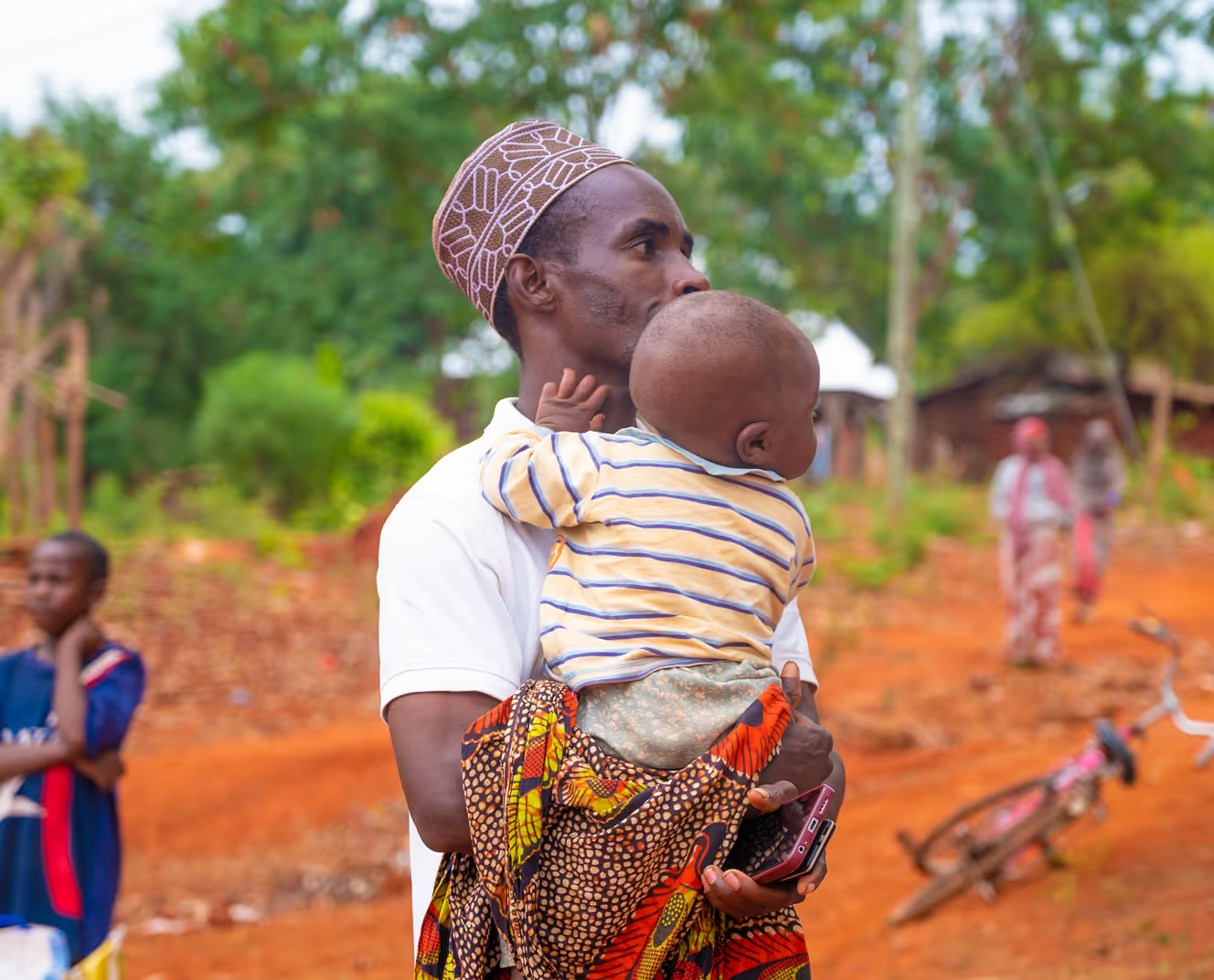

I knew the water was not clean. But it was the only water there was.


Trusted by Global Partners & Organizations




Frequently Asked Questions
Find answers to common questions about donations, programs, and how you can get involved.
1
What is Zakat, and who must pay it?
Zakat is one of the Five Pillars of Islam, an obligatory annual giving for every adult Muslim who possesses wealth above the Nisab threshold for a full lunar year. It is set at 2.5% of eligible net assets, including cash, gold, silver, business inventory, and investments.
2
What is the Nisab threshold in 2026?
The Nisab is calculated based on the value of 85 grams of gold or 595 grams of silver. We recommend verifying current gold and silver prices independently before making your payment.
3
Which assets are included in Zakat calculations?
Zakatable assets include: cash and bank balances, gold and silver at market value, stocks and mutual funds, business inventory and trade goods, and money owed to you that is expected to be repaid. Personal items such as your home, vehicle, and clothing you use are not zakatable.
4
How does this Zakat calculator work?
Simply enter the current value of your assets and deduct any outstanding debts. The calculator totals your net zakatable wealth, checks it against the Nisab threshold, and multiplies by 2.5% to give your Zakat due.
5
Is Africa Relief eligible to receive Zakat?
Yes. Africa Relief & Community Development (ARCD) distributes Zakat to recipients who fall within the eight eligible categories mentioned in the Quran (Surah At-Tawbah 9:60), primarily the poor and needy, Fuqaraa and Masakeen across African communities. Our programs serve orphans, displaced families, and those without access to clean water, food, and healthcare.


