
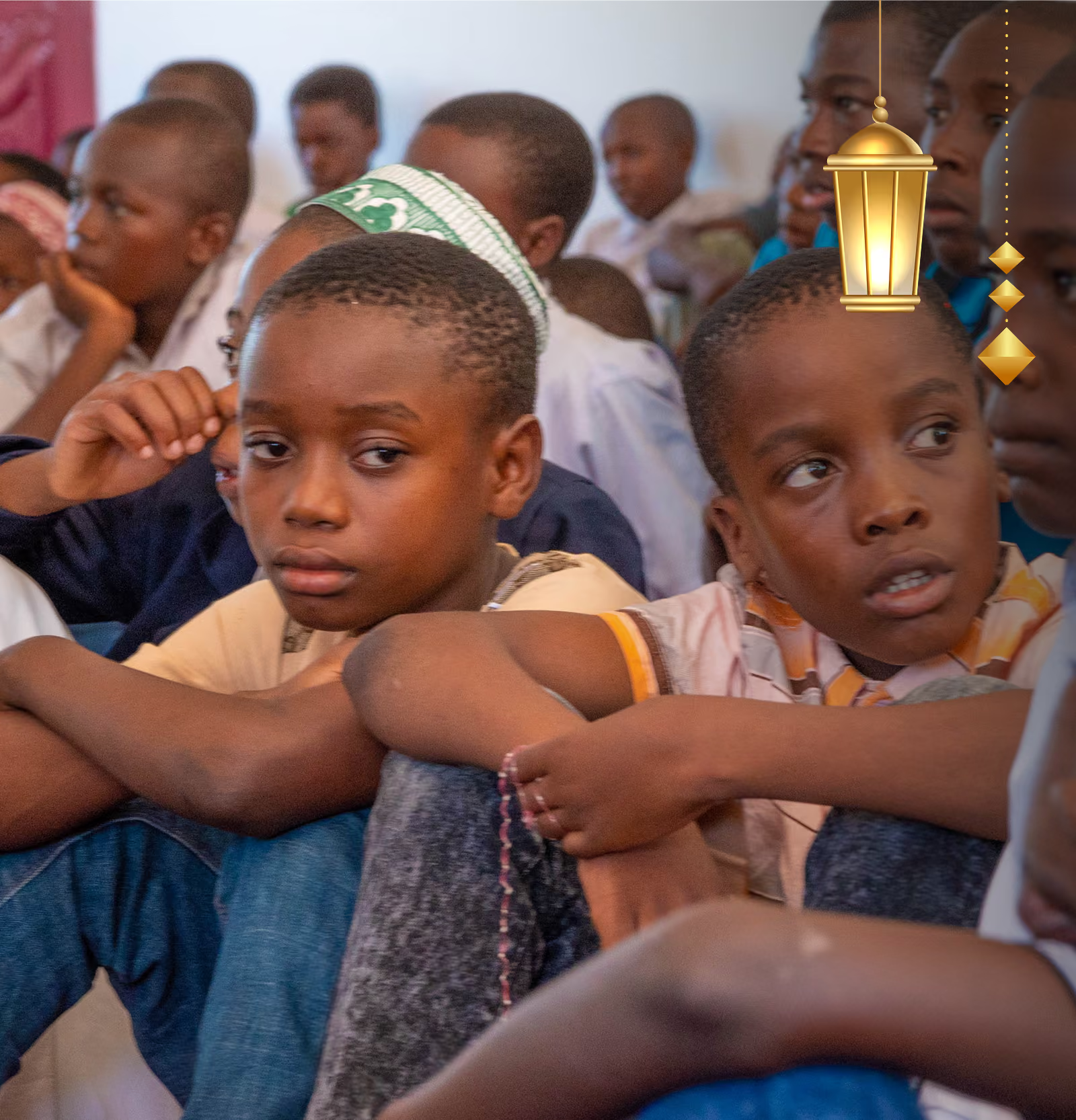
This Ramadan, families across Africa are facing hunger, thirst, and hardship. Your generosity can bring relief to those who need it most.
Choose How Your Giving
Makes an Impact
By selecting an intention, you ensure your Zakat, Sadaqah, or Fidyah reaches families in Africa who are facing hunger, illness, and displacement.
Ramadan Impact
Levels
Millions of families across Africa are struggling with hunger, unsafe water, and extreme poverty. Across Africa conflict, displacement, and severe hunger have left families in urgent need of emergency food.
Your generosity directly supports life-sustaining assistance throughout the month of Ramadan. Together, we aim to distribute 10,000 food baskets and sponsor 250 community Walimas serving an estimated 50,000 people across about 10 countries.
$6
Provides Iftar for 1 person at a community Walima
$20
Pays Zakat Al-Fitr for 1 person
$60
Sponsors 1 orphan for a month
$100
Provides 1 Ramadan food basket for a family
$120
Makes 1 cataract surgery possible
$300
Sponsors a community Walima for about 50 people

Kafarah/fidyah Calculator
Use our automatic calculator to find your Kafarah or Fidyah obligations based on the latest Nisab values.

Zakat Calculator
Calculate and pay your Zakat using the latest Nisab values, updated automatically for you.
Why Your
Support Matters
Your donation enables ARCD to deliver Ramadan food baskets, support community Iftars, provide clean water through water wells, sponsor orphans, and restore sight through cataract surgeries.
On-Ground Efforts and Relief
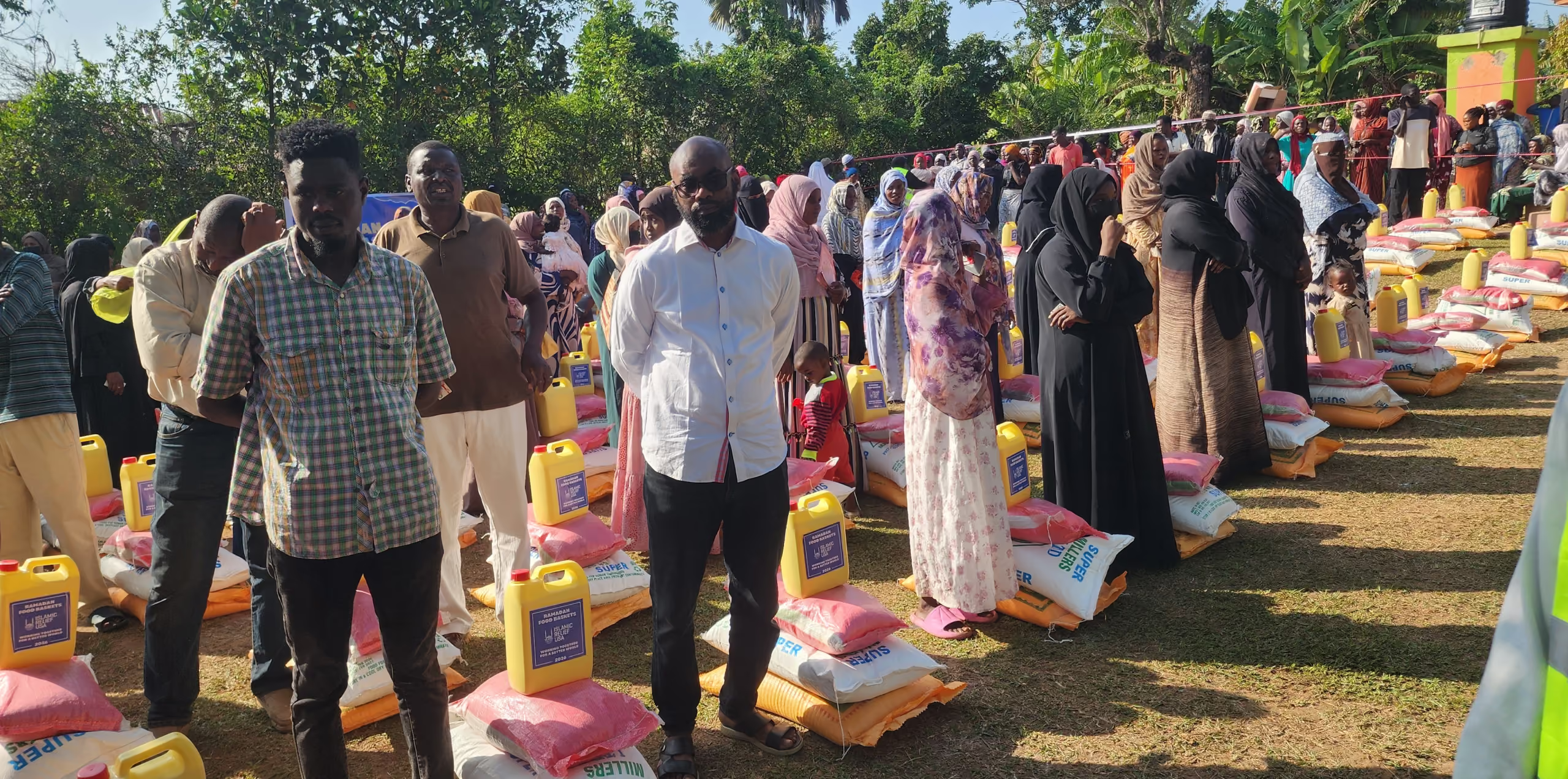
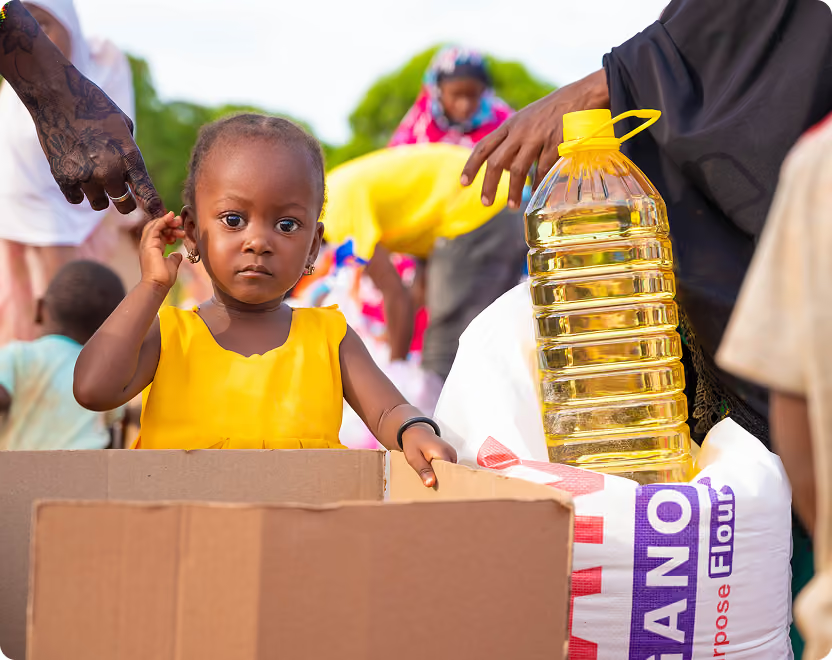
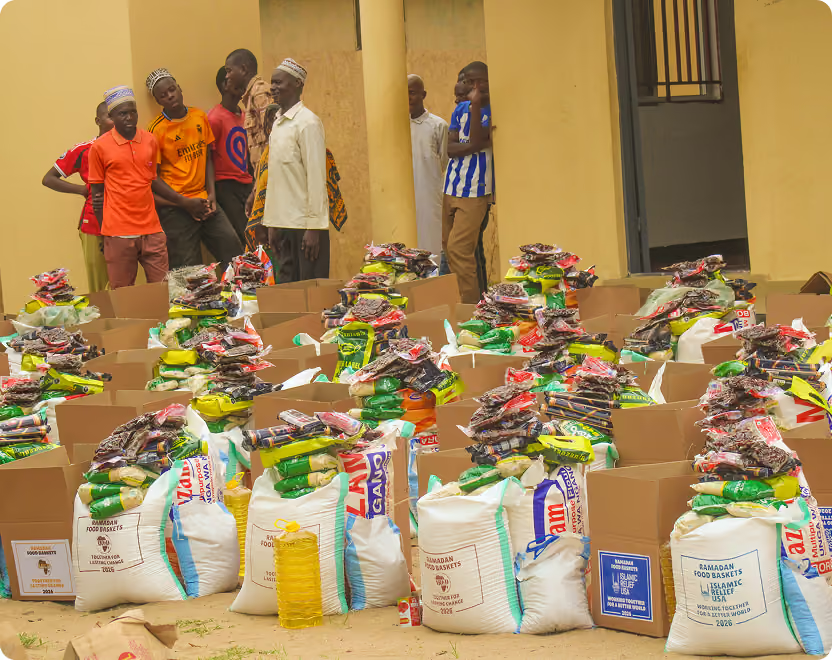
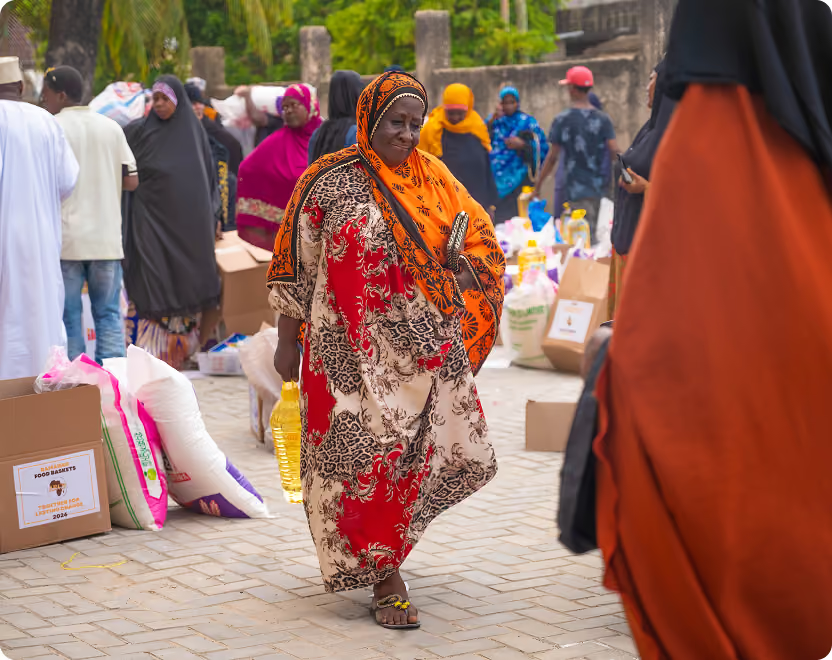
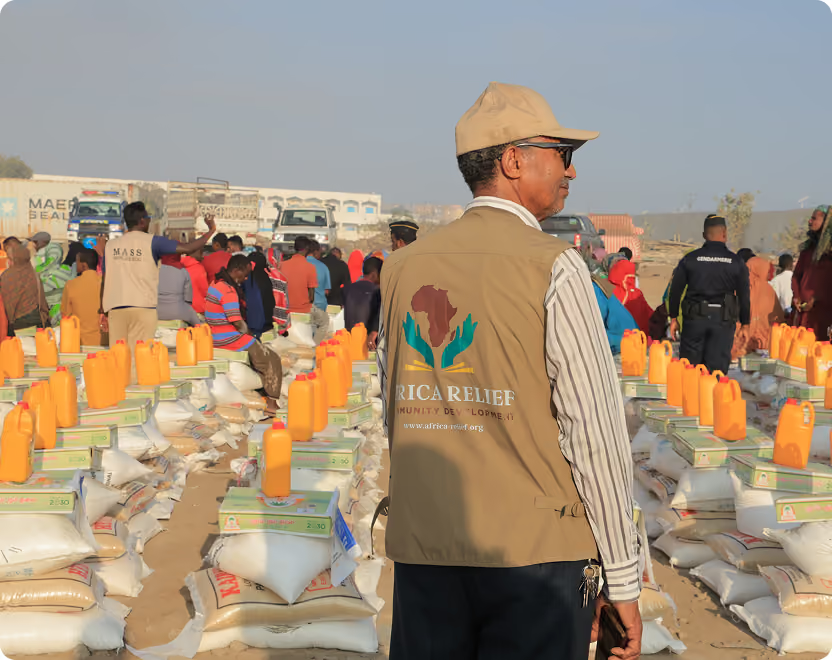
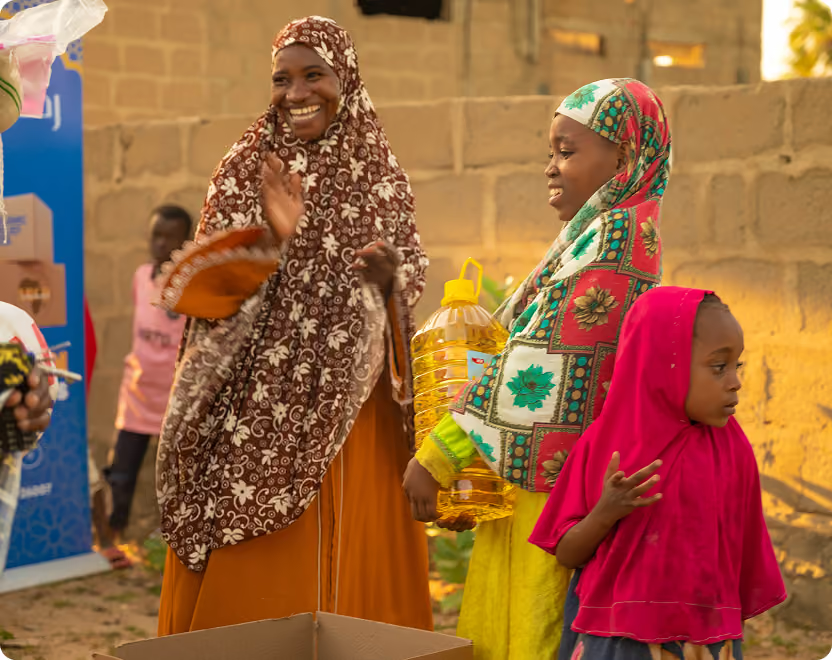
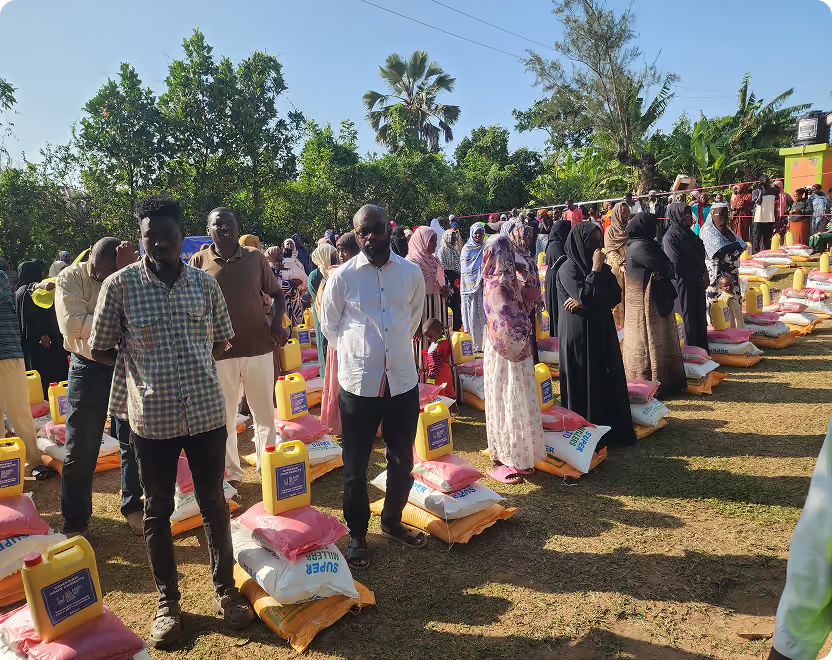
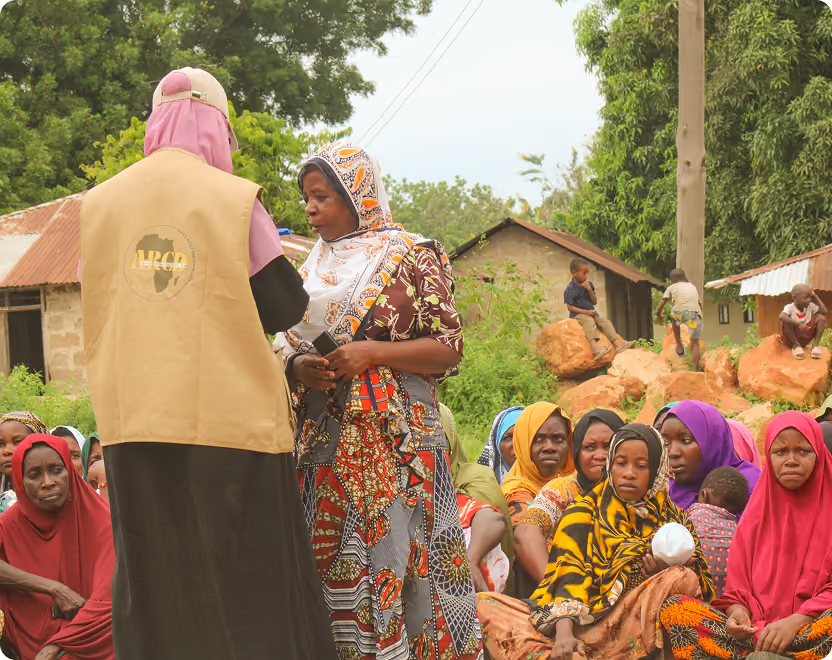
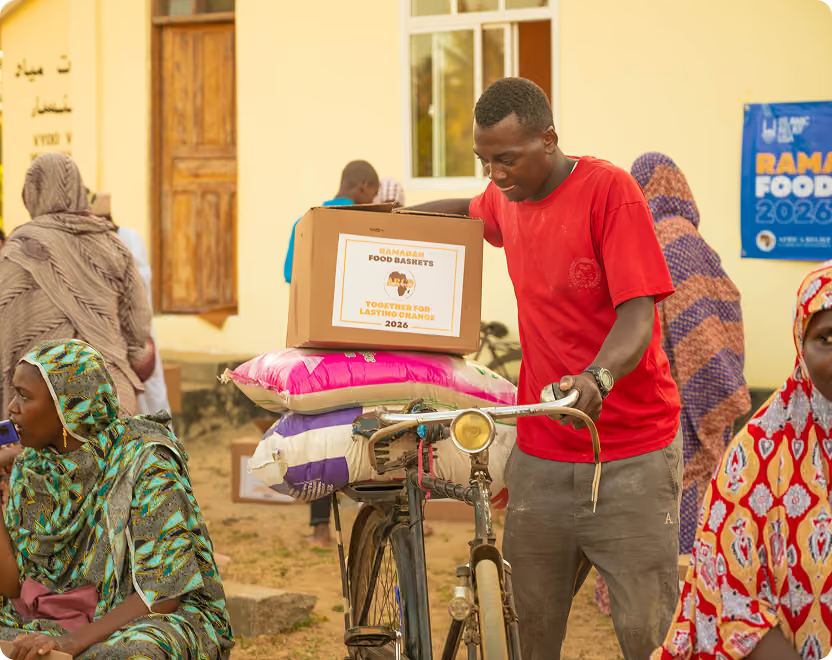
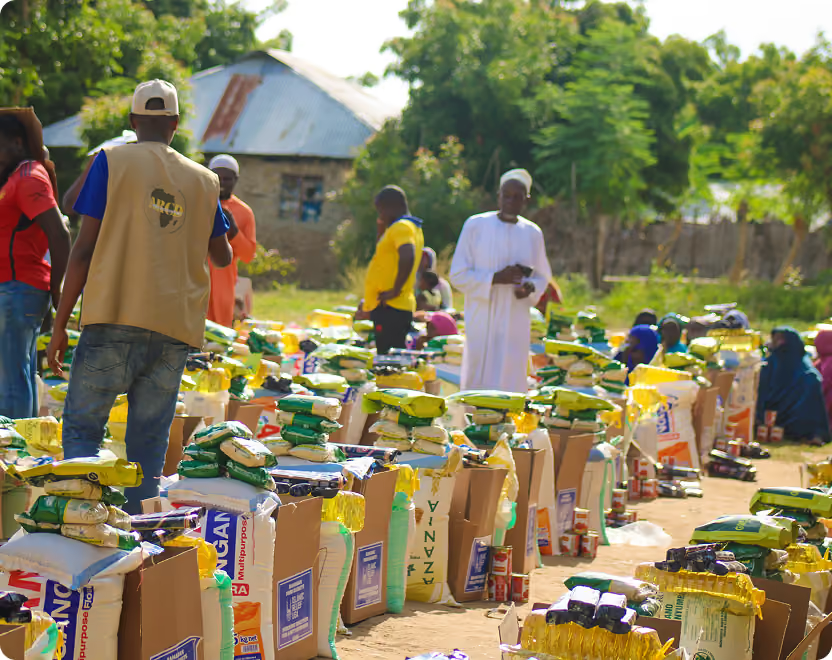
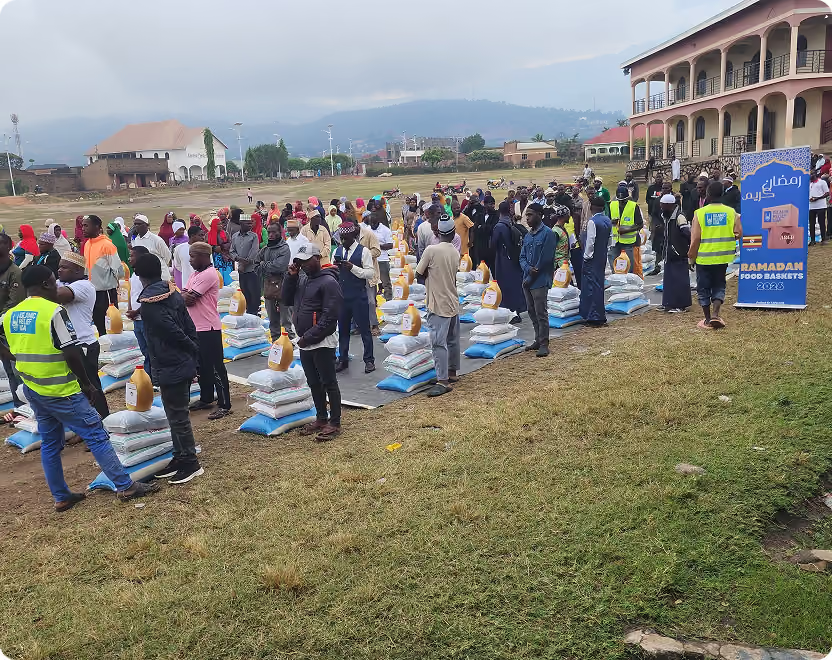
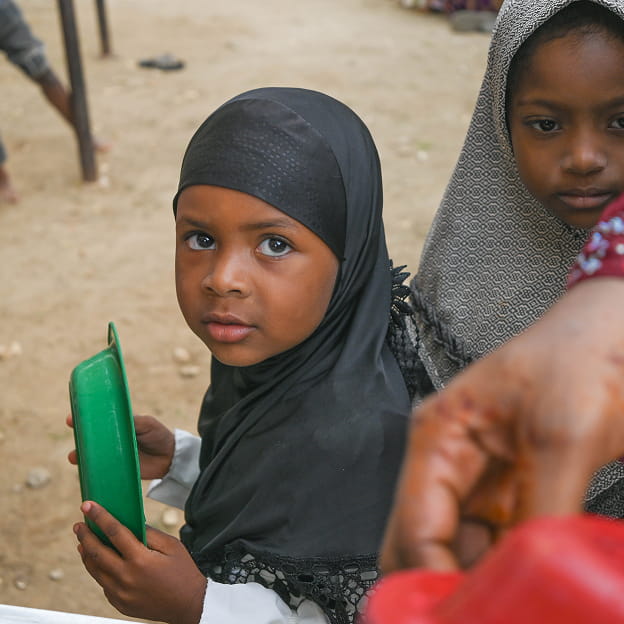
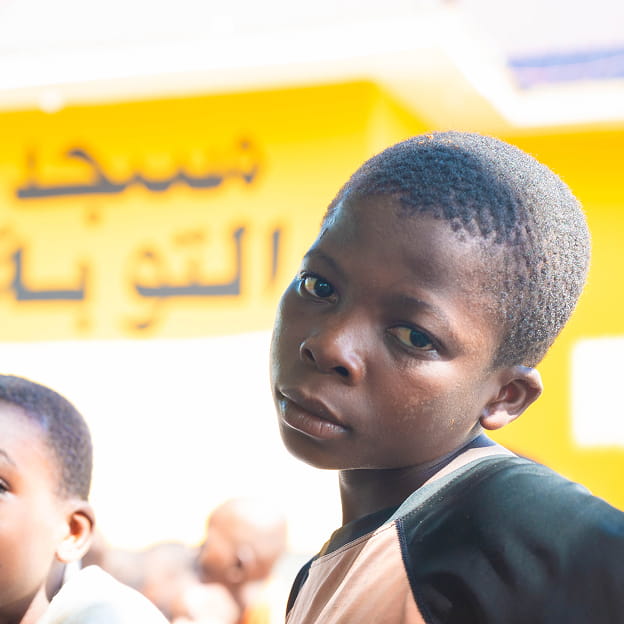
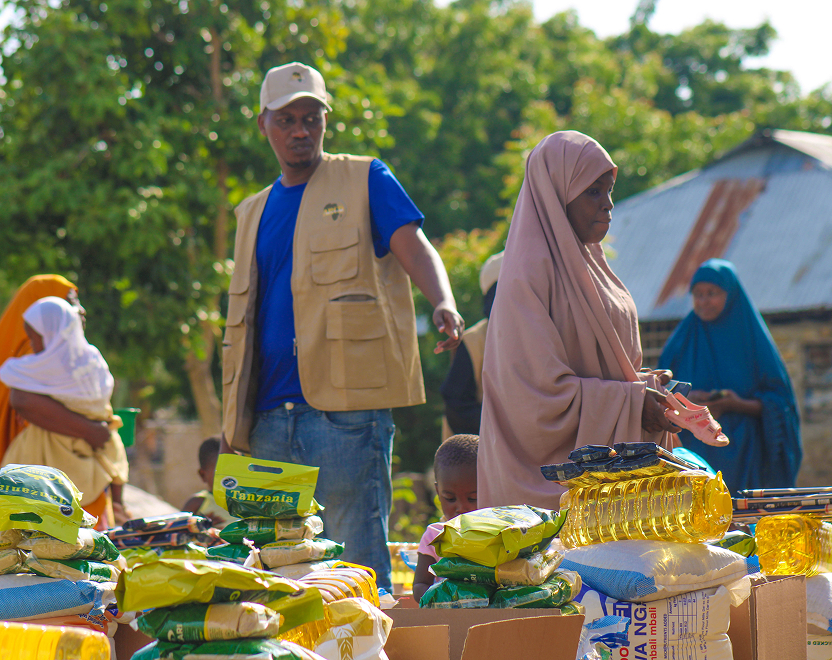
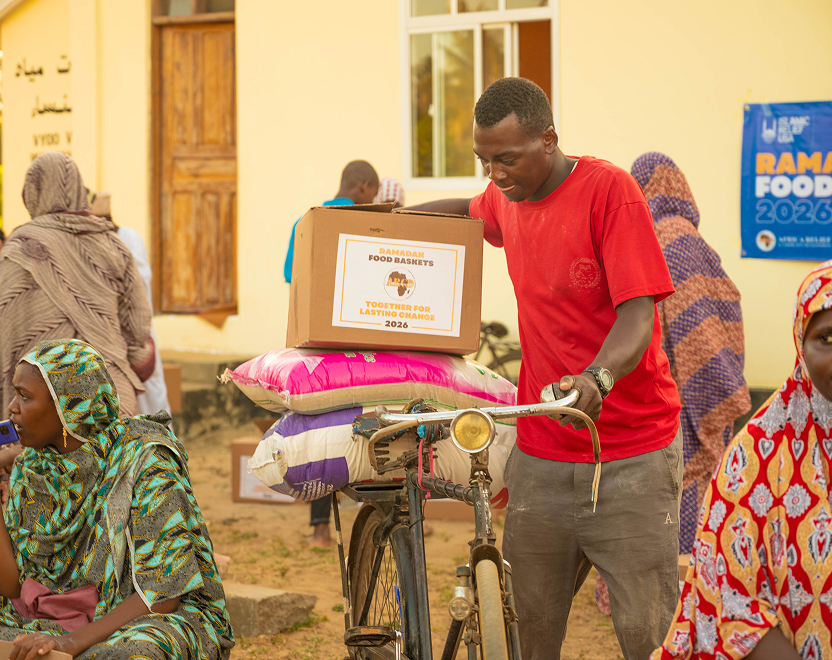
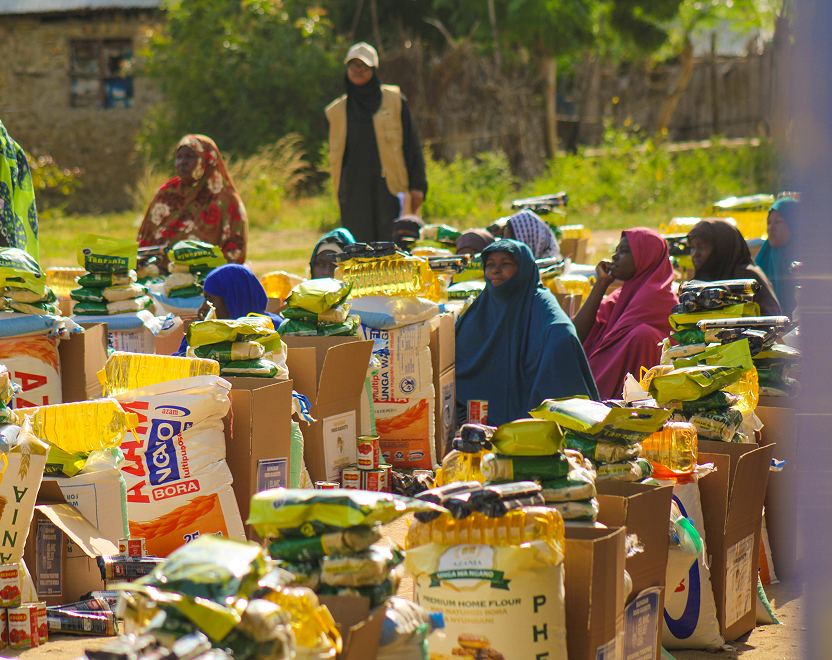
Moments from ARCD’s past relief efforts, as our teams deliver food, care and hope to families and children across Africa.
Trusted by Global Partners & Organizations

وجّهوا زكاتكم إلى إخوانكم المحتاجين في أفريقيا؛ فمنهم مَن هم من أفقر أهل الأرض، وزكاتكم لهم طعامٌ يسدّ الجوع، ورحمةٌ تحفظ الكرامة.
Give your Zakat to our brothers and sisters in need across Africa, many of whom are among the poorest people on earth. Your Zakat can help feed the hungry and preserve their dignity.
Six programs.
One purpose.
Every Africa Relief program is designed to protect dignity, respond to urgent needs, and strengthen communities for the future.


Donate in memory of
a loved one
Donate in Memory of a Loved One.
Honor the memory of someone special through a charitable contribution that brings hope to families and communities in need.
Make a difference in Africa?
Whether you give once, sponsor an orphan, or start a fundraiser, you become part of a community working for a stronger Africa.

Ramadan FAQs
Find answers to common questions about donations, programs, and how you can get involved.
1
What is Zakat Al-Maal, and who must pay it?
Zakat Al-Maal is an obligatory annual charity and one of the five pillars of Islam. Muslims whose eligible wealth is above the Nisab threshold for one lunar year are required to pay Zakat.
2
How is Zakat calculated?
Zakat is generally calculated at 2.5% of your eligible wealth. Add your savings, cash, gold, investments, and other eligible assets, then subtract eligible debts. If your remaining wealth meets the Nisab threshold, Zakat is due.
You can use our Zakat Calculator to estimate your contribution
3
What is the Nisab threshold?
Nisab is the minimum amount of wealth a Muslim must own before Zakat becomes obligatory. It is traditionally based on the value of 87.48 grams of gold or 612.36 grams of silver.
4
Which assets are eligible for Zakat?
Zakat generally applies to:
-
Cash and bank savings
-
Gold and silver
-
Business inventory and trade goods
-
Eligible investments
-
Other savings and wealth
Personal belongings such as your home, car, and everyday household items are generally exempt.
5
What is the difference between Zakat Al-Maal and Zakat Al-Fitr?
Zakat Al-Maal is an annual payment on eligible wealth.
Zakat Al-Fitr is a separate charity given at the end of Ramadan, before Eid prayer, to help people in need celebrate Eid.
6
Can I give Zakat to water wells, orphan sponsorship, and food assistance?
Zakat must be distributed to people who qualify under the categories mentioned in the Qur'an (Surah At-Tawbah, 9:60).
Programs such as food assistance, healthcare, and clean water may support eligible beneficiaries. However, not every charitable project automatically qualifies for Zakat. Sadaqah Jariyah is another way to support longer-term projects such as water wells, schools, and mosques.
7
Who can receive Zakat?
The Qur'an identifies eight categories of Zakat recipients, including the poor, the needy, those in debt, and travellers in need.
Zakat should be distributed to people who meet the relevant eligibility requirements.
8
How is Zakat different from Sadaqah?
Zakat is obligatory for eligible Muslims and follows specific rules about its calculation and distribution.
Sadaqah is voluntary charity. It can be given at any time, in any amount, to support people and causes in need.
9
Can I give Zakat throughout the year?
Yes. You can plan your Zakat contributions throughout the year, as long as you fulfil your Zakat obligation on time.
10
What is Fidyah?
Fidyah is a payment made by someone who is unable to fast due to a valid, ongoing reason and cannot make up the missed fasts.
It generally involves providing meals to people in need for each missed fasting day. The amount may vary, so consult a qualified scholar for guidance.
7
What is Zakat Al-Fitr, and when should it be paid?
Zakat Al-Fitr is a charity given at the end of Ramadan to help people in need before Eid.
Every Muslim who meets the relevant requirements should pay it for themselves and their dependents. It should reach eligible recipients before the Eid prayer.
For personal Zakat calculations and religious rulings, consult a qualified Islamic scholar.
Built-In Transparency
Africa Relief & Community Development is a U.S.-registered 501(c)(3) nonprofit organization. Donations may be tax-deductible to the extent allowed by law. EIN: 46-2568671
