

Pay Zakat. Purify Your Wealth. Change Africa.
Zakat: one of the five pillars of Islam. It refers to 2.5% of your savings and fulfilling your duty to Allah (SWT) and delivering clean water, food, healthcare, and education to over 6 million people across Africa.
2,400+

Water Wells Constructed
Solar-powered and pump-equipped wells giving rural communities a safe, permanent water supply.
4,000+
Orphans Sponsored
Children receiving regular financial support, case management, schooling, and care through ARCD's long-term sponsorship program.
240+
Educational Centers Established
Schools and Masajids built or supported to keep Africa's children learning
What Islam Says
About Zakat
Zakat is the mandatory annual charity and one of the five pillars of Islam. It is an act of worship that purifies your wealth and fulfils a duty owed to Allah. Fixed at 2.5% of eligible savings, it reaches those who need it most, just as Allah commanded.
Quranic Verse:
وَمَا تُنفِقُوا مِنْ خَيْرٍ فَلِأَنفُسِكُمْ ۚ وَمَا تُنفِقُونَ إِلَّا ابْتِغَاءَ وَجْهِ اللَّهِوَأَقِيمُوا الصَّلَاةَ وَآتُوا الزَّكَاةَ وَمَا تُقَدِّمُوا لِأَنفُسِكُم مِّنْ خَيْرٍ تَجِدُوهُ عِندَ اللَّهِ
"And establish prayer and give Zakat, and whatever good you put forward for yourselves — you will find it with Allah."and record what they have put forth and what they left behind."
Surah Al-Baqarah (2:110)
The Prophet Muhammad (PBUH) said:
"When you pay the Zakat on your wealth, you have fulfilled what was required of you"
Sunan Ibn Majah 1788
Difference Between Sadaqah, Sadaqah Jariyah, and Zakat?
Not all giving in Islam is the same. Sadaqah, Sadaqah Jariyah, and Zakat each carry distinct rules, purposes, and rewards. Knowing the difference helps you give with greater intention.

Sadaqah (Monetary)
Voluntary charity given at any time, in any amount, to any worthy cause. A heartfelt act of generosity with no obligation or threshold required.
-
Can be given on behalf of the living or deceased
-
Rewards are immediate and personal
-
No minimum amount or annual threshold
-
Best for spontaneous giving or urgent needs
"The example of those who spend their wealth in the way of Allah is like a seed of grain which grows seven spikes…" (Qur'an 2:261)
SADAQAH JARIYAH (CONTINUOUS)
Continuous charity whose benefits last beyond the donor's lifetime. It creates ongoing impact and rewards that continue even after death.
-
Building water wells or schools
-
Planting trees and sustainable food sources
-
Funding healthcare infrastructure
-
Supporting orphan education programs
"When a person dies, his deeds come to an end except for three: Sadaqah Jariyah, knowledge that benefits, or a righteous child who prays for him." (Sahih Muslim)
ZAKAT (Mandatory)
Mandatory annual charity and one of the five pillars of Islam. It purifies wealth and is an obligation for every eligible Muslim.
-
Fixed at 2.5% of savings above Nisab
-
Distributed to eight categories defined in the Qur'an
-
Fulfils an annual religious obligation
-
Purifies wealth for the giver
"And establish prayer and give zakah, and whatever good you put forward for yourselves — you will find it with Allah." (Qur'an 2:110)
Six programs.
One purpose.
Every Africa Relief program is designed to protect dignity, respond to urgent needs, and strengthen communities for the future.
.jpg)

.jpg)
.jpg)
.jpg)
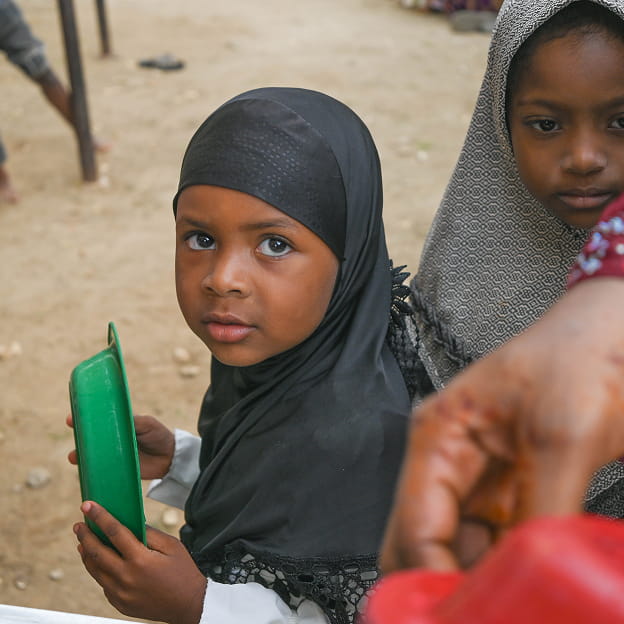
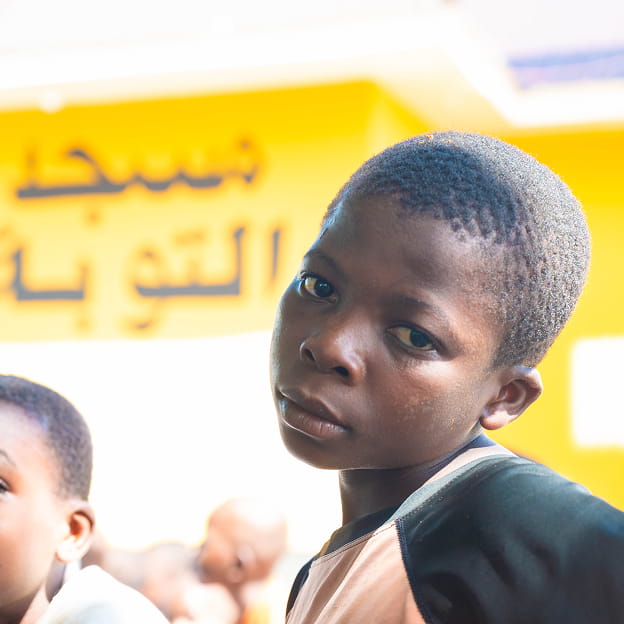
Support Families in Crisis
Support urgent campaigns across the regions we serve.


Urgent
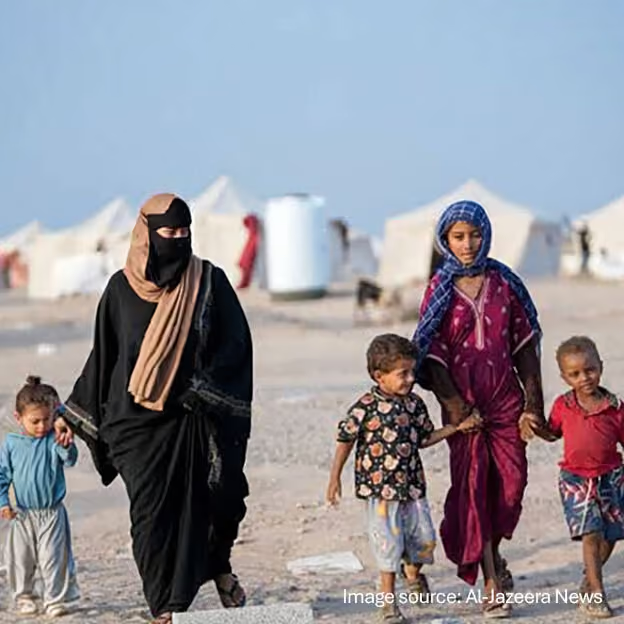
Yemeni Refugees in Djibouti
Help families fleeing Yemen reach safety, dignity, and essential relief in Djibouti.
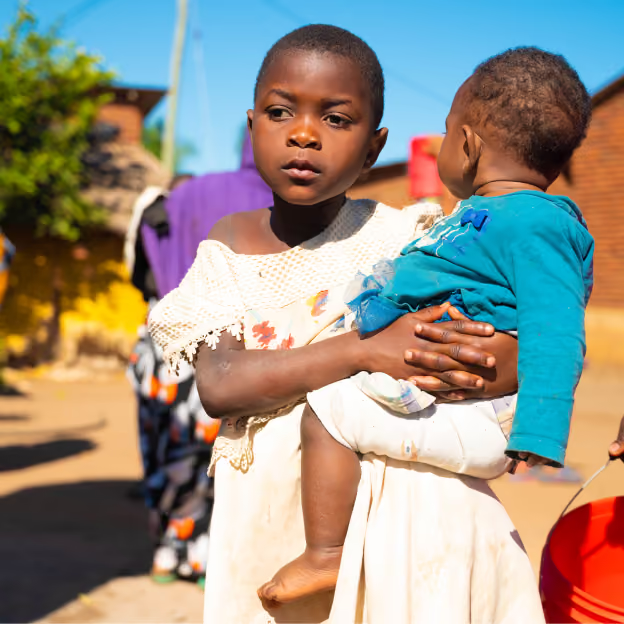
Support Education of Girls in Africa
Support community education centers that help young people pursue higher learning, gain skills, and create lasting change for their communities.
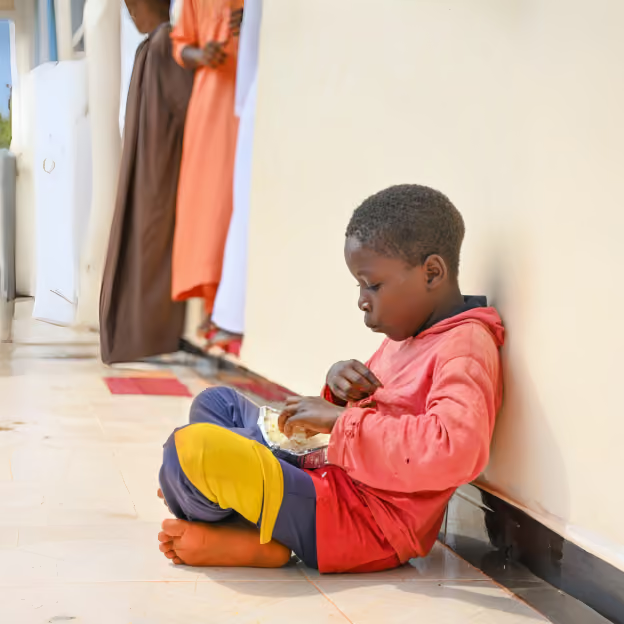
Help Feed Families in Crisis in Sudan
Millions of families in Sudan are facing severe hunger and famine. Your support can provide life-saving meals and emergency food support to families who need it most.

Sponsor an Orphan
Your support provides essentials like food, education, and healthcare to help over 17,000 children thrive
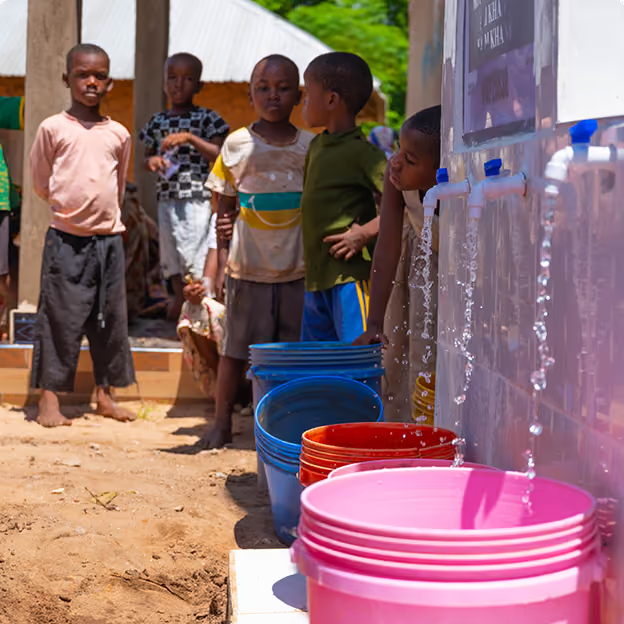
GIVE THE GIFT OF CLEAN WATER
Together, we're bringing safe water closer to families who have waited too long for it.

BUILD A MOSQUE, EARN LASTING REWARD
Together, we're building spaces where communities pray, learn, and grow
.avif)
GIVE A SKILL, GIVE A FUTURE
Together, we're helping vulnerable youth build the skills to stand on their own.

Restore Vision with Cataract Surgery
Together, we're restoring sight, independence, and hope through life-changing cataract surgery.
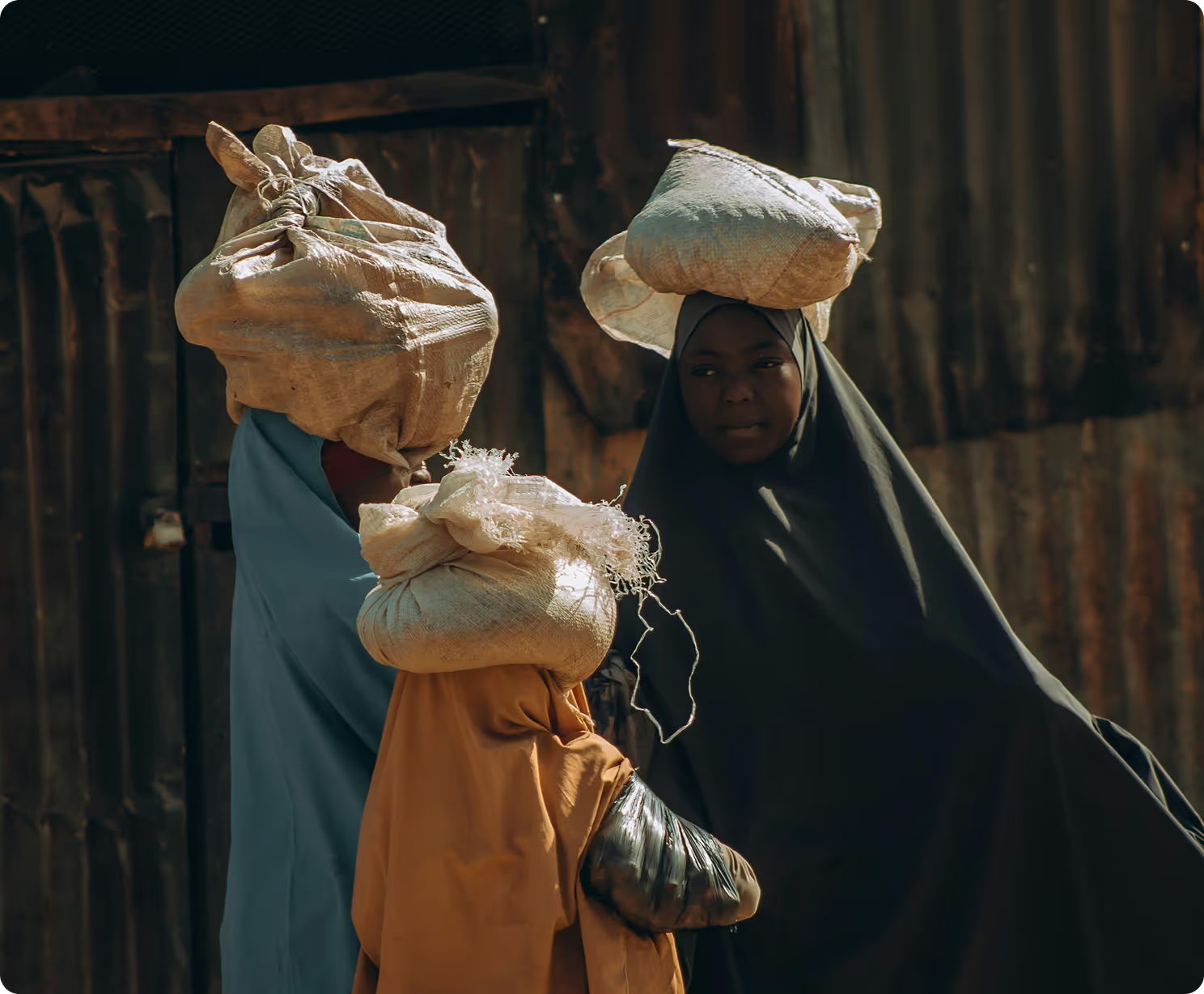
TAKE FROM THEIR WEALTH A CHARITY BY WHICH YOU PURIFY THEM AND CAUSE THEM INCREASE, AND INVOKE ALLAH'S BLESSINGS UPON THEM. INDEED, ALLAH IS HEARING AND KNOWING.


Surah At-Tawbah, Qur'an 9:103
Your Legacy Starts Today.
Every well you build, every child you educate, every family you reach through Sadaqah Jariyah keeps earning for you, long after this moment. Give what endures. Give what reaches beyond this life.
Make a difference in Africa?
Join 1,650+ donors who are changing lives through clean water, healthcare, education, and orphan care across 32 African countries.


Trusted by Global Partners & Organizations

Frequently Asked Questions
Find answers to common questions about donations, programs, and how you can get involved.
1
Who is obligated to pay Zakat?
Any Muslim who has held wealth above the Nisab threshold for a full lunar year is obligated to pay Zakat.
2
How is Zakat calculated?
Zakat is 2.5% of your total eligible assets — including cash, gold, silver, and business inventory — held above the Nisab value for one full lunar year.
3
What is Nisab?
Nisab is the minimum wealth threshold above which Zakat becomes obligatory. It is based on the value of 87.48g of gold or 612.36g of silver.
4
Can I give Zakat to Africa Relief?
Yes. ARCD operates Zakat-eligible programs serving the poor, needy, orphans, and those in hardship across Sub-Saharan Africa — all categories of eligible Zakat recipients as defined in the Qur'an.
5
What's the difference between Zakat and Sadaqah?
Zakat is mandatory and follows strict rules on who must give, how much, and to whom. Sadaqah is voluntary — given anytime, in any amount, to any worthy cause.


