

Unable to Fast? Pay Fidyah. Feed Someone Who Hungers.
Fidyah is Islam's compassionate provision for those who cannot fast due to old age, chronic illness, or pregnancy. Fulfil your obligation before Allah (SWT), and let your incapacity become sustenance for a family across Africa who would otherwise go without.
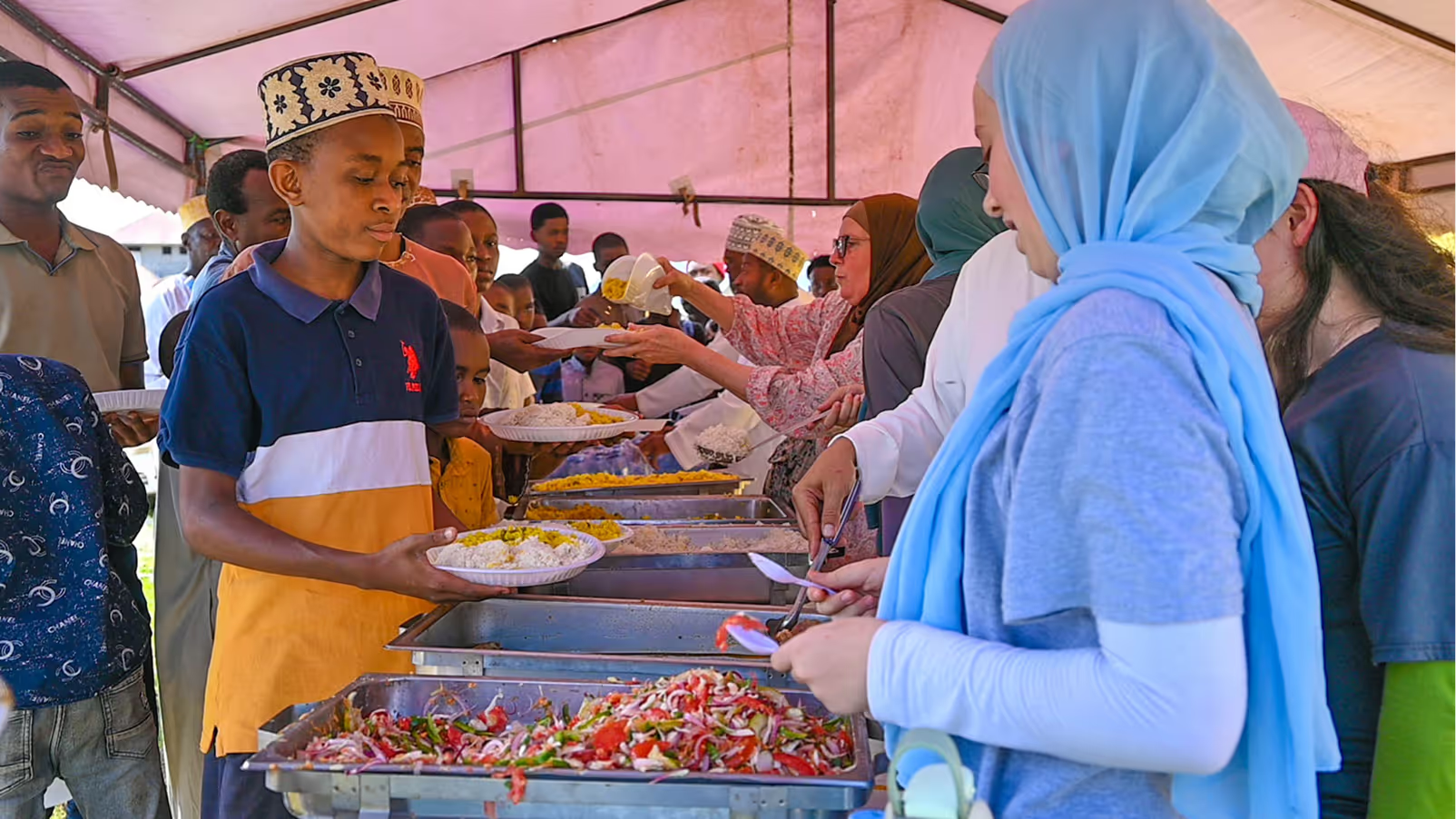
2M+

People Reached
Families and individuals served by ARCD's programs across Sub-Saharan Africa — your Kaffarah joins a proven network of care.
$7M+
In-Kind Donations Facilitated
ARCD's proven track record of getting resources to the people who need them most — reliably and accountably.
30+
Countries Reached
Verified distribution networks operating across Africa through ARCD's six regional offices, ensuring your expiation feeds those who are truly eligible.
Fidyah in Islam
Qur'an & Hadith
Fidyah is a compensation paid by those who are genuinely unable to fast due to illness, old age, or pregnancy. It is an act of mercy in Islam, acknowledging that some are excused from fasting while still fulfilling their obligation to the poor.
Quranic Verse:
وَمَا تُنفِقُوا مِنْ خَيْرٍ فَلِأَنفُسِكُمْ ۚ وَمَا تُنفِقُونَ إِلَّا ابْتِغَاءَ وَجْهِ اللَّهِوَأَقِيمُوفَكَفَّارَتُهُ إِطْعَامُ عَشَرَةِ مَسَاكِينَ مِنْ أَوْسَطِ مَا تُطْعِمُونَ أَهْلِيكُمْ أَوْ كِسْوَتُهُمْ أَوْ تَحْرِيرُ رَقَبَةٍا الصَّلَاةَ وَآتُوا الزَّكَاةَ وَمَا تُقَدِّمُوا لِأَنفُسِكُم مِّنْ خَيْرٍ تَجِدُوهُ عِندَ اللَّهِ
"Its expiation is the feeding of ten needy people from the average of what you feed your own families, or clothing them, or the freeing of a slave."
Surah Al-Ma'idah (5:89)
The Prophet Muhammad (PBUH) said:
"he had intentionally broken his fast in Ramadan. The Prophet (PBUH) instructed him to free a slave; if unable, to fast sixty consecutive days; and if unable, to feed sixty poor people."
Sahih Bukhari 1936
Difference Between
Kaffarah and Fidya
Not all expiation in Islam is the same. Kaffarah and Fidya each apply to different circumstances, with distinct obligations and amounts. Knowing which applies to you ensures your expiation is fulfilled correctly.

KAFFARAH ( Expiation for a deliberate violation )
Paid by someone who intentionally broke a Ramadan fast or a sworn oath without a valid excuse. It is a conscious act of atonement before Allah.
-
Feed 60 poor people per broken fast, or fast 60 consecutive days
-
Feed 10 poor people per broken oath, or clothe them, or fast 3 days
-
Qada alone does not remove the obligation for an intentional break
-
ARCD directs it to our Food and Nutrition Program — 60 verified meals distributed on your behalf
"Its expiation is the feeding of ten needy people…" (Qur'an 5:89)
FIDYA ( Compensation for a genuine inability to fast )
Applies to the elderly, chronically ill, or pregnant and breastfeeding women who cannot make up missed fasts. It is an act of compassion, not atonement.
-
Feed one poor person for each missed fast day
-
No wrongdoing involved — only a physical limitation
-
If the fast can be made up later, Qada applies and Fidya does not
-
ARCD directs it to our Food and Nutrition Program — one verified meal per missed day
"…a ransom of feeding a poor person for each day missed." (Qur'an 2:184)
Six programs.
One purpose.
Every Africa Relief program is designed to protect dignity, respond to urgent needs, and strengthen communities for the future.
.jpg)

.jpg)
.jpg)
.jpg)
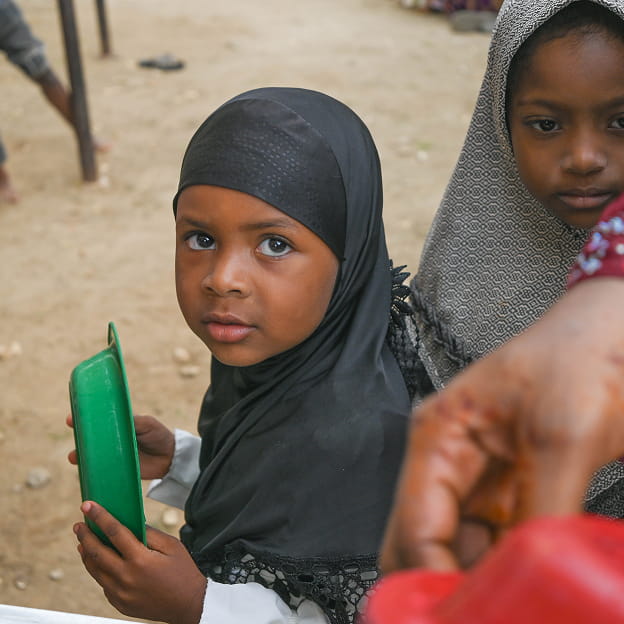
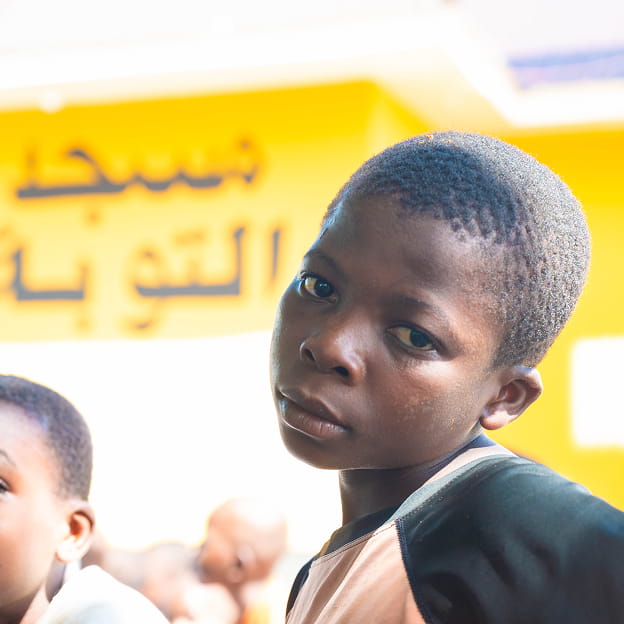
Support Families in Crisis
Support urgent campaigns across the regions we serve.


Urgent
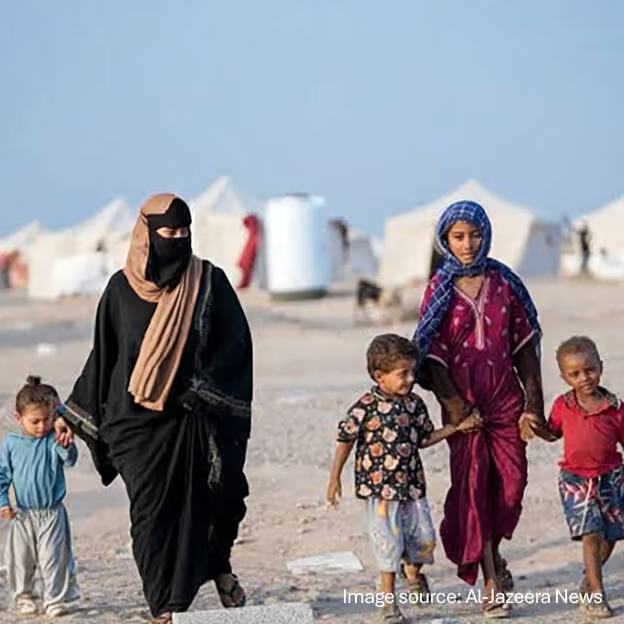
Yemeni Refugees in Djibouti
Help families fleeing Yemen reach safety, dignity, and essential relief in Djibouti.
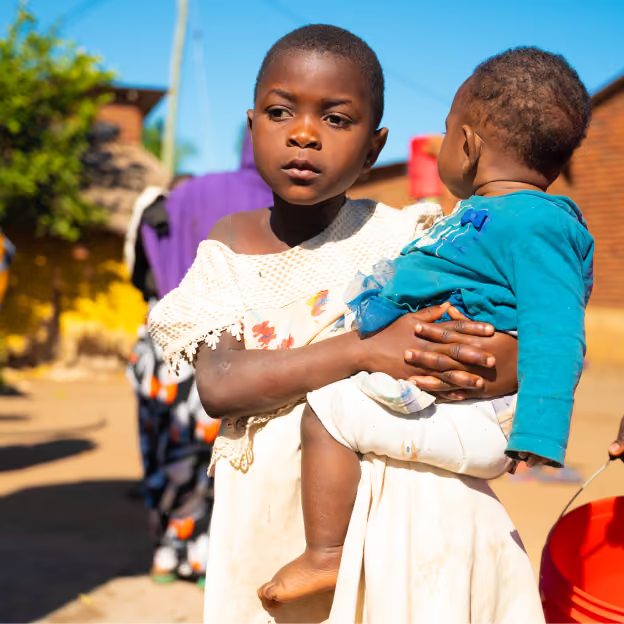
Support Education of Girls in Africa
Support community education centers that help young people pursue higher learning, gain skills, and create lasting change for their communities.
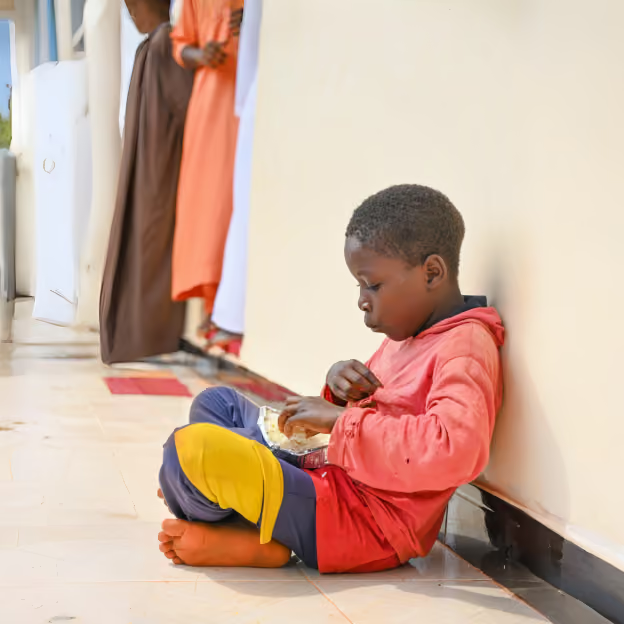
Help Feed Families in Crisis in Sudan
Millions of families in Sudan are facing severe hunger and famine. Your support can provide life-saving meals and emergency food support to families who need it most.

Sponsor an Orphan
Your support provides essentials like food, education, and healthcare to help over 17,000 children thrive
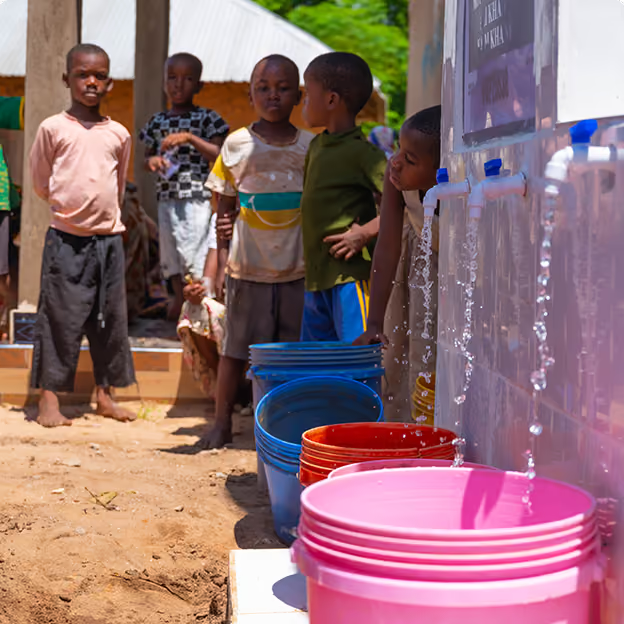
GIVE THE GIFT OF CLEAN WATER
Together, we're bringing safe water closer to families who have waited too long for it.

BUILD A MOSQUE, EARN LASTING REWARD
Together, we're building spaces where communities pray, learn, and grow
.avif)
GIVE A SKILL, GIVE A FUTURE
Together, we're helping vulnerable youth build the skills to stand on their own.

Restore Vision with Cataract Surgery
Together, we're restoring sight, independence, and hope through life-changing cataract surgery.
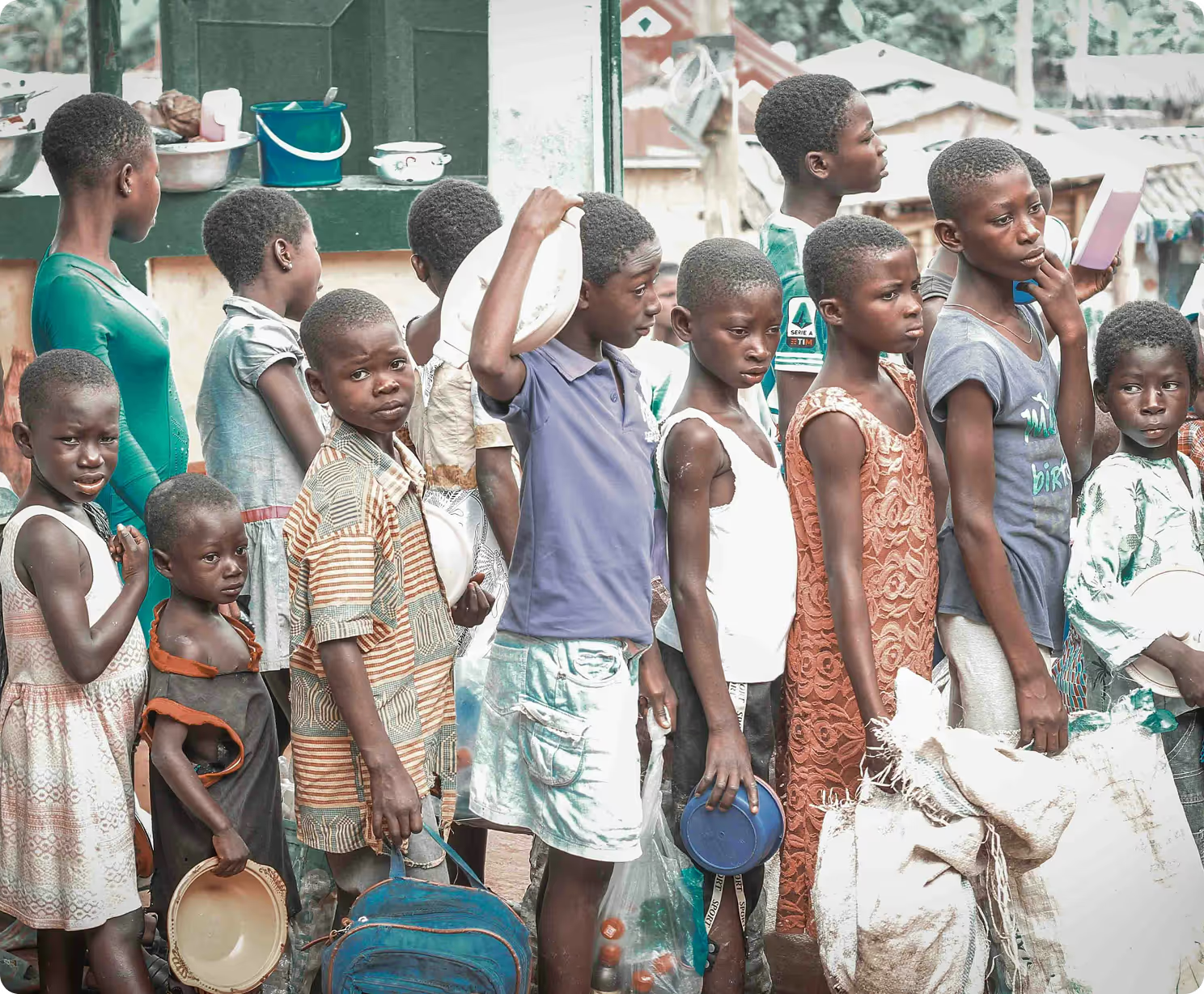
ALLAH INTENDS FOR YOU EASE AND DOES NOT INTEND FOR YOU HARDSHIP, AND WANTS FOR YOU TO COMPLETE THE PERIOD AND TO GLORIFY ALLAH FOR THAT TO WHICH HE HAS GUIDED YOU, AND PERHAPS YOU WILL BE GRATEFUL.


Surah Al-Baqarah, Qur'an 2:185
Your Fidyah.
Their Hope.
Allah (SWT) has given you a way to fulfill your obligation. Every family fed through your Fidyah is an act of compassion completed. Give now, and let your missed fast become someone else’s relief.
Make a difference in Africa?
Join 1,650+ donors who are changing lives through clean water, healthcare, education, and orphan care across 32 African countries.


Trusted by Global Partners & Organizations


Frequently Asked Questions
Find answers to common questions about donations, programs, and how you can get involved.
1
What is Fidyah in Islam?
Fidyah is the compensation paid by Muslims who are permanently unable to fast during Ramadan — such as the elderly or chronically ill — requiring them to feed one poor person for each missed day.
2
Who must pay Fidyah?
Those who are permanently unable to fast due to old age, chronic illness, or those who are pregnant or breastfeeding and cannot make up their fasts at a later date.
3
What is the difference between Fidyah and Kaffarah?
Fidyah is paid when someone genuinely cannot fast at all. Kaffarah is expiation for intentionally breaking a fast without a valid excuse. They carry different amounts and apply to different situations entirely.
4
What is the difference between Fidyah and Qada?
Qada means making up missed fasts at a later date — for those who can. Fidyah is for those who will permanently never be able to make up the fasts. If you can fast later, Qada applies. If you cannot, Fidyah applies.
5
How much Fidyah do I need to pay?
One full meal — or its equivalent food value — for one poor person, for each day of Ramadan missed. ARCD calculates this based on the actual cost of feeding one person in the communities we serve.


