

Program
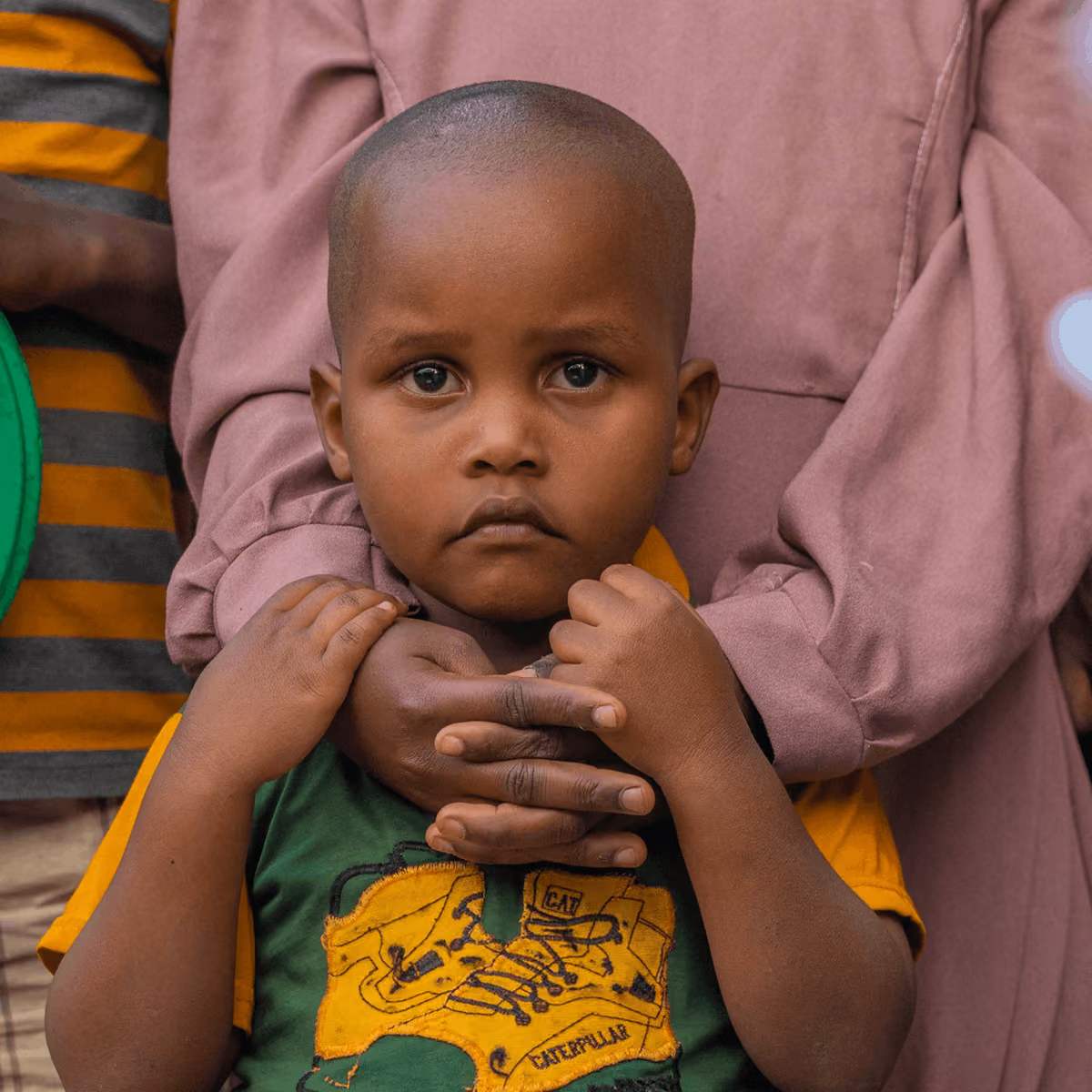
Empower Their
Future
Your support helps vulnerable youth and orphaned students gain practical skills, training, and the tools they need to build independent, dignified lives.
$25
SCHOOL STARTER KIT
Provide a starter tool kit for a new trainee.
$50
TRAINING MATERIALS
Support training materials for a trainee's first course.
$150
LEarning Support
Help cover learning and program costs for a trainee.
$500
SKILLS PATHWAY
Contribute toward one trainee's full skills pathway.
$1500
FULL TUITION
Sponsor full tuition for one trainee's vocational training.
$4,500
THREE TRAINEES
Sponsor vocational training for three people.
WHAT IS
VOCATIONAL TRAINING?
Vocational training equips vulnerable adults and youth with practical, hands-on skills in trades like tailoring, carpentry, and mechanics, skills that translate directly into steady income and self-reliance.
Why Millions Are Left Without a Path to Skilled Work
Across Africa, millions of capable adults and young people are held back not by a lack of ambition, but by a lack of access: no training centers nearby, no funds for tuition, no one to mentor them through the first steps. ARCD's Empowerment Program closes that gap, moving families from dependency to self-reliance.
A single sponsored training pathway can be the difference between a family relying on aid and a family running its own small business, feeding itself, and paying its own way forward.
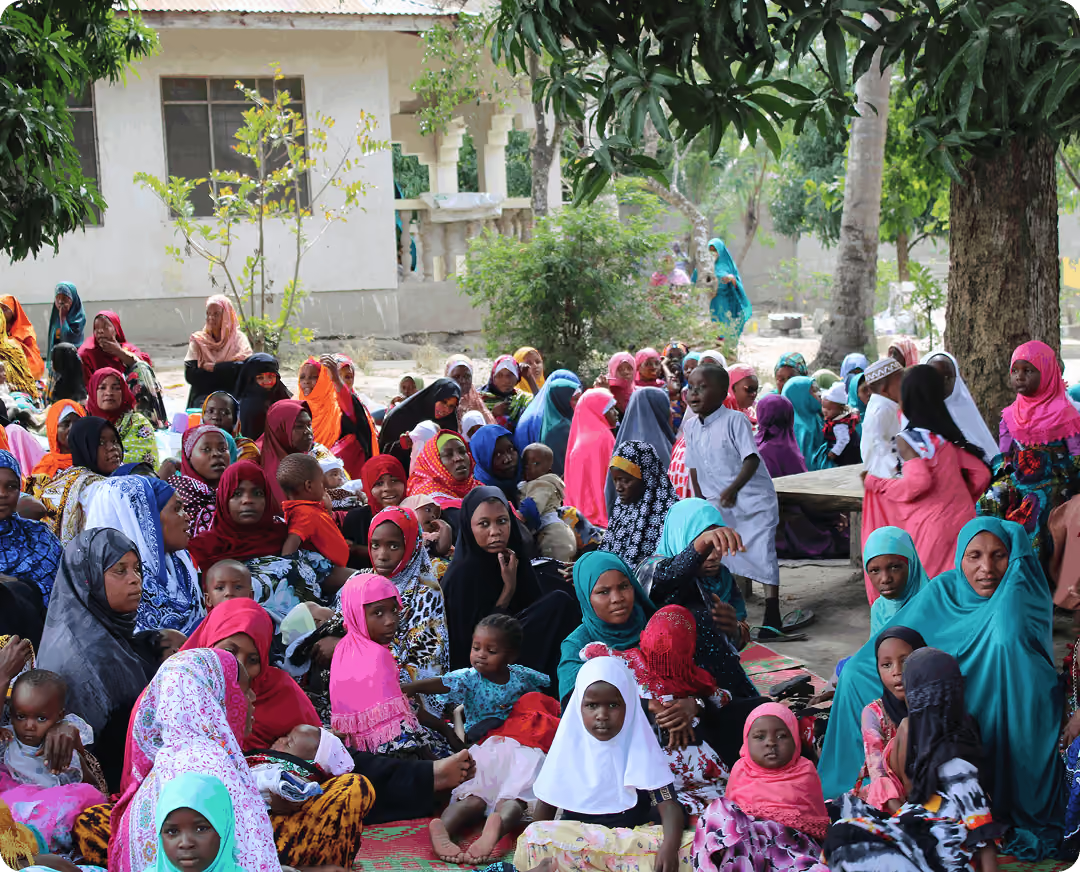
BENEFITS OF ARCD'S
VOCATIONAL TRAINING PROGRAM
Every vocational training placement ARCD sponsors comes with more than a skill. It comes with mentorship, tools, and a pathway to income that turns one act of giving into lasting self-reliance across Africa.

Employable Skills Training
Trainees learn practical, in-demand trades, the kind of skills that convert directly into income, not theory that goes unused.

Mentorship & Guidance
Training is paired with hands-on mentorship, so graduates don't just learn a skill; they learn how to build a livelihood around it.

Path to Self-Reliance
This is not short-term relief. It's a structured pathway out of dependency and into sustainable, self-generated income.

Women & Youth Focus
ARCD prioritizes women and youth, the groups most often excluded from economic opportunity because their empowerment creates the greatest ripple effect for families and communities.

Community-Rooted Delivery
Programs are delivered through ARCD's regional offices, by teams embedded in the communities they serve.

Ripple Effect Growth
One trained, employed person doesn't just support themselves; they support a household and often go on to employ or mentor others.
HOW VOCATIONAL TRAINING
CREATES LASTING CHANGE
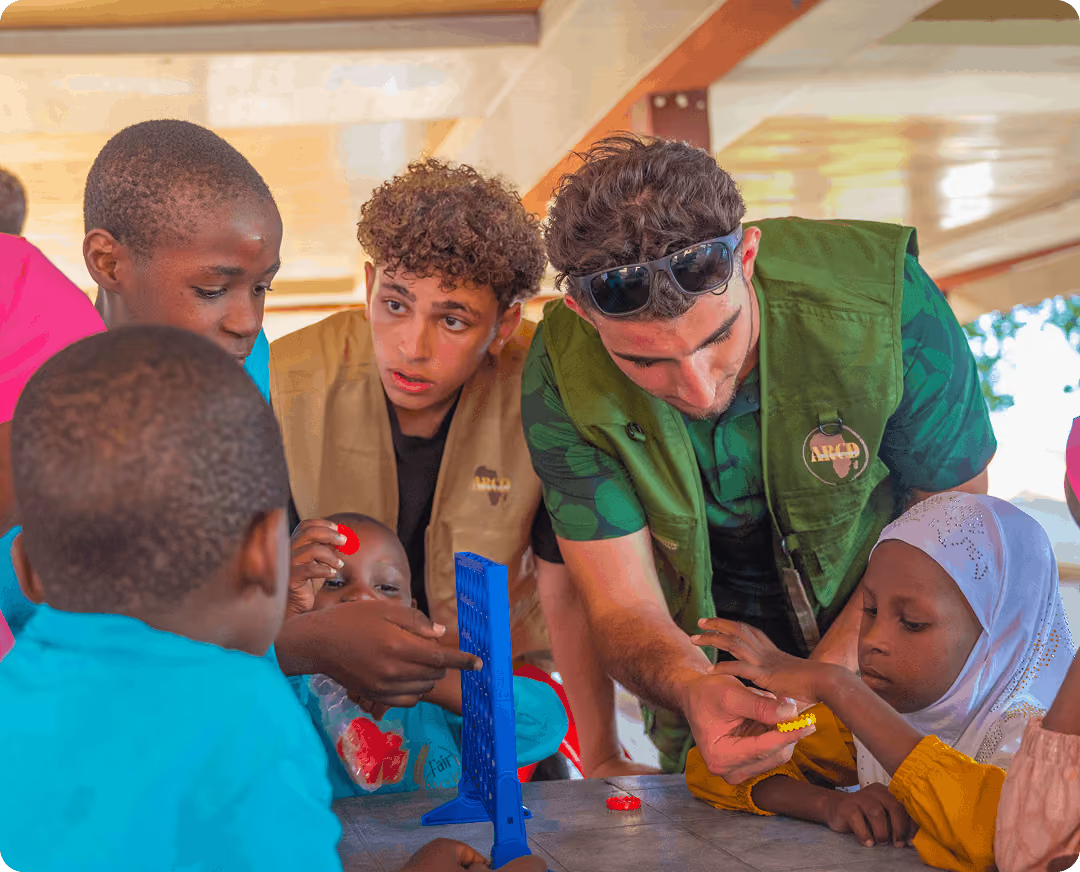
A single skill does not end with the trainee. It moves through a household — restoring income, stability, and dignity, and building the kind of self-reliance that makes long-term aid unnecessary. This is the chain your donation sets in motion.
1
A Skill Opens the Door
Without access to training centers or tuition, even the most capable adults and youth are locked out of employable work. Sponsoring a trainee removes that first barrier and opens the door to a trade.
2
Training Builds Confidence and Capability
Hands-on instruction paired with mentorship turns raw ambition into a marketable skill, one a graduate can rely on for the rest of their life.
3
Employment or Self-Employment Follows
Graduates leave with a trade they can put to work immediately, whether that means employment with a local business or starting their own.
4
Dignity Restored, Families Stabilized
A steady income changes everything at home: food on the table, school fees paid, and a family no longer dependent on aid to get by.
5
Communities Grow Stronger
One trained, employed person supports a household and often goes on to mentor or employ others, spreading opportunity through the wider community.
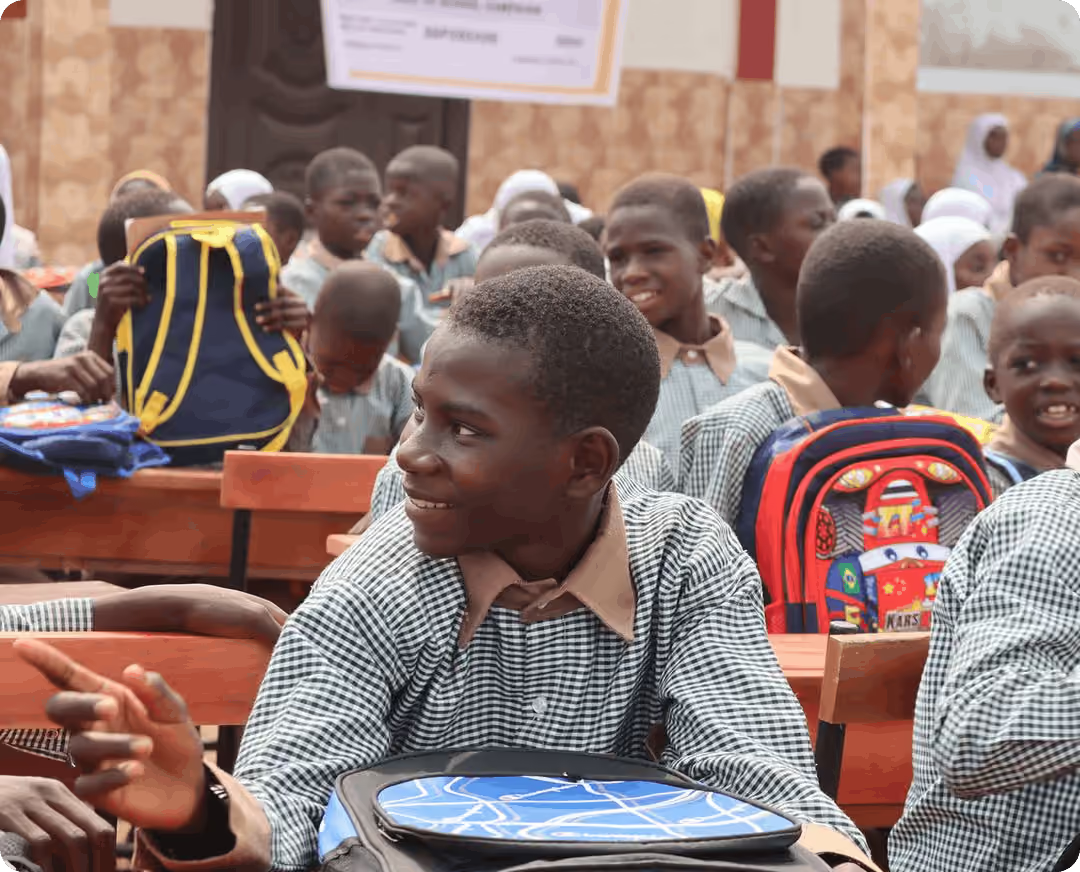

I knew the water was not clean. But it was the only water there was.


Give a Skill.
Give a Future.
Every trainee you sponsor walks away with the ability to provide, to build, and to stand on their own. Help someone move from dependency to dignity.
Make a difference in Africa?
Join 1,650+ donors who are changing lives through clean water, healthcare, education, and orphan care across 32 African countries.


Trusted by Global Partners & Organizations
Frequently Asked Questions
Find answers to common questions about donations, programs, and how you can get involved.
1
What is ARCD's Vocational Training Program?
ARCD's Vocational Training Program, part of the Empowerment pillar, supports vulnerable adults and youth through comprehensive training in employable trades, helping them build sustainable income and move toward self-reliance.
2
Who does this program support?
The program prioritizes women and youth in vulnerable communities who have the drive to build a livelihood but lack access to training or tuition funding.
3
How does my donation help?
Your donation funds tuition, learning materials, and mentorship for a trainee, covering the full cost of their pathway to an employable skill.
4
What happens after someone completes training?
Graduates are equipped to find employment or start their own small trade, with mentorship built into the program.
5
Why vocational training instead of direct aid?
Direct aid meets an immediate need. Vocational training builds a permanent one. A skill that keeps generating income long after the program ends.


