

The Benefits and Spiritual Significance of the Day of Arafah
Published Date:
Qurbani (Udhiyah) is a sacred act of worship performed during Eid al-Adha, commemorating the willingness of Prophet Ibrahim (AS) to sacrifice for the sake of Allah.
It is an opportunity for Muslims to reflect on faith, obedience, and compassion — while supporting families in need with essential food.
What is Qurbani?
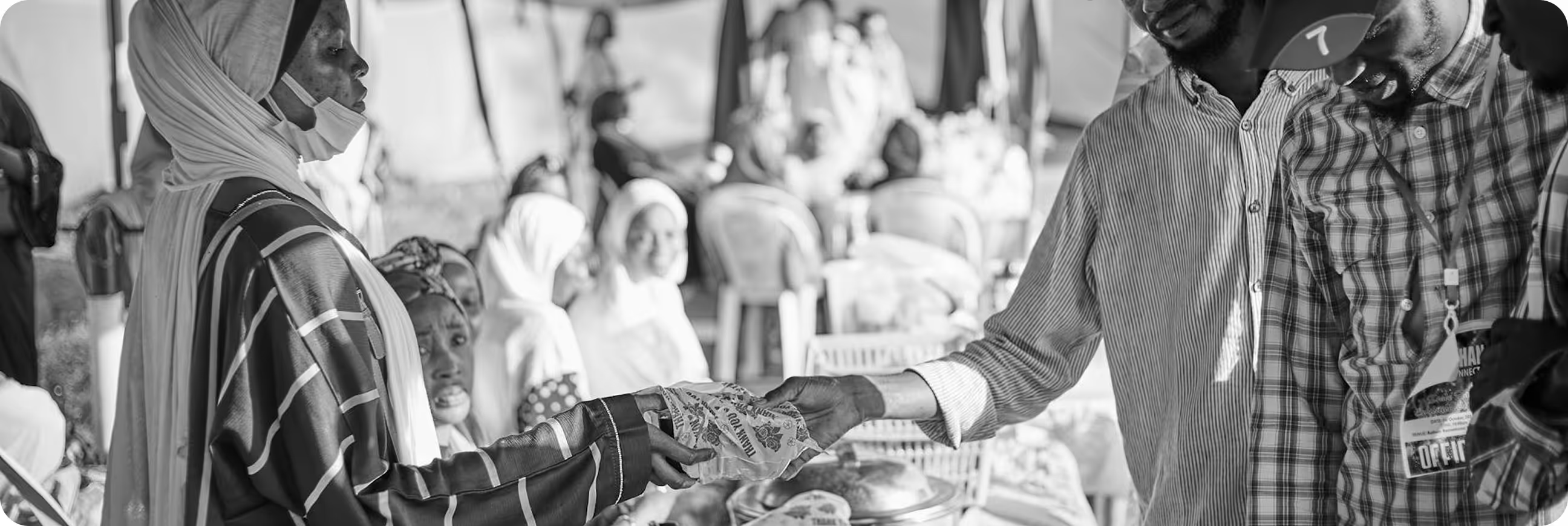
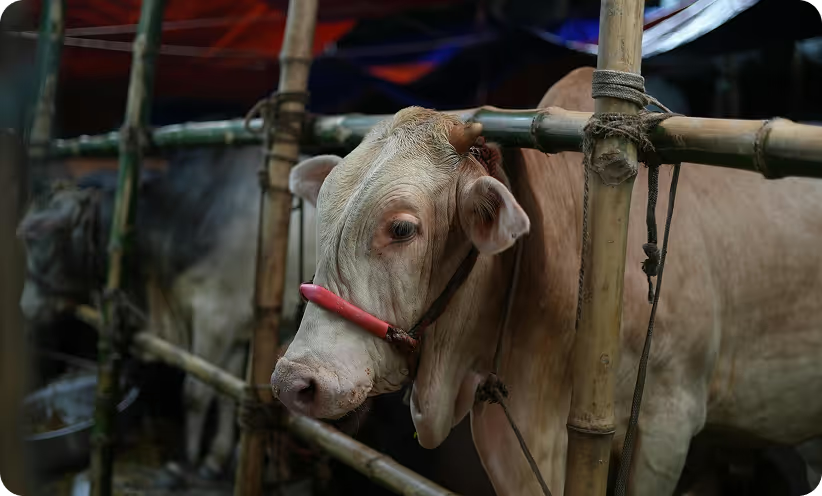
Qurbani refers to the sacrifice of an animal during the days of Eid al-Adha. The meat is distributed among family, friends, and those in need — ensuring that vulnerable communities can also share in the joy of Eid.
Who Should Give Qurbani?
Qurbani is required for every adult Muslim who:
- Is of sound mind
- Has reached maturity
- Possesses wealth above the nisab threshold
If you meet these conditions, performing Qurbani is a meaningful way to fulfill your religious obligation.
“Their meat will not reach Allah, nor will their blood, but what reaches Him is piety from you.”
Surah Al-Hajj (22:37)
When is Qurbani Performed?
Qurbani is carried out after the Eid prayer on:
- 10th Dhul-Hijjah
- 11th Dhul-Hijjah
- 12th Dhul-Hijjah
It is important that the sacrifice is done within these specific days.
Which Animals Can Be Used?
The animals eligible for Qurbani include:
- Goat or sheep (1 share)
- Cow or buffalo (up to 7 shares)
- Camel (up to 7 shares)
All animals must be:
- Healthy
- Free from defects
- Of the appropriate age
How is the Meat Distributed?
Traditionally, the meat is divided into three equal portions: one-third is set aside for your family to enjoy, another third is generously shared with relatives and friends to foster community bonds, and the final third is donated to those in need, ensuring that everyone can partake in the feast. This cherished practice not only embodies the spirit of sharing and generosity but also strengthens relationships and promotes a sense of togetherness within the community.


