

Zakat Al-Mal Vs Zakat Al-Fitr: Fulfill Your Islamic

Published Date:
Step into a world where faith fuels generosity, and discover the difference between zakat al-mal and zakat al-fitr, to learn a path that intertwines spiritual fulfillment with the power of giving. While both Zakat al-Mal and Zakat al-Fitr serve these purposes, they cater to different needs and timings.
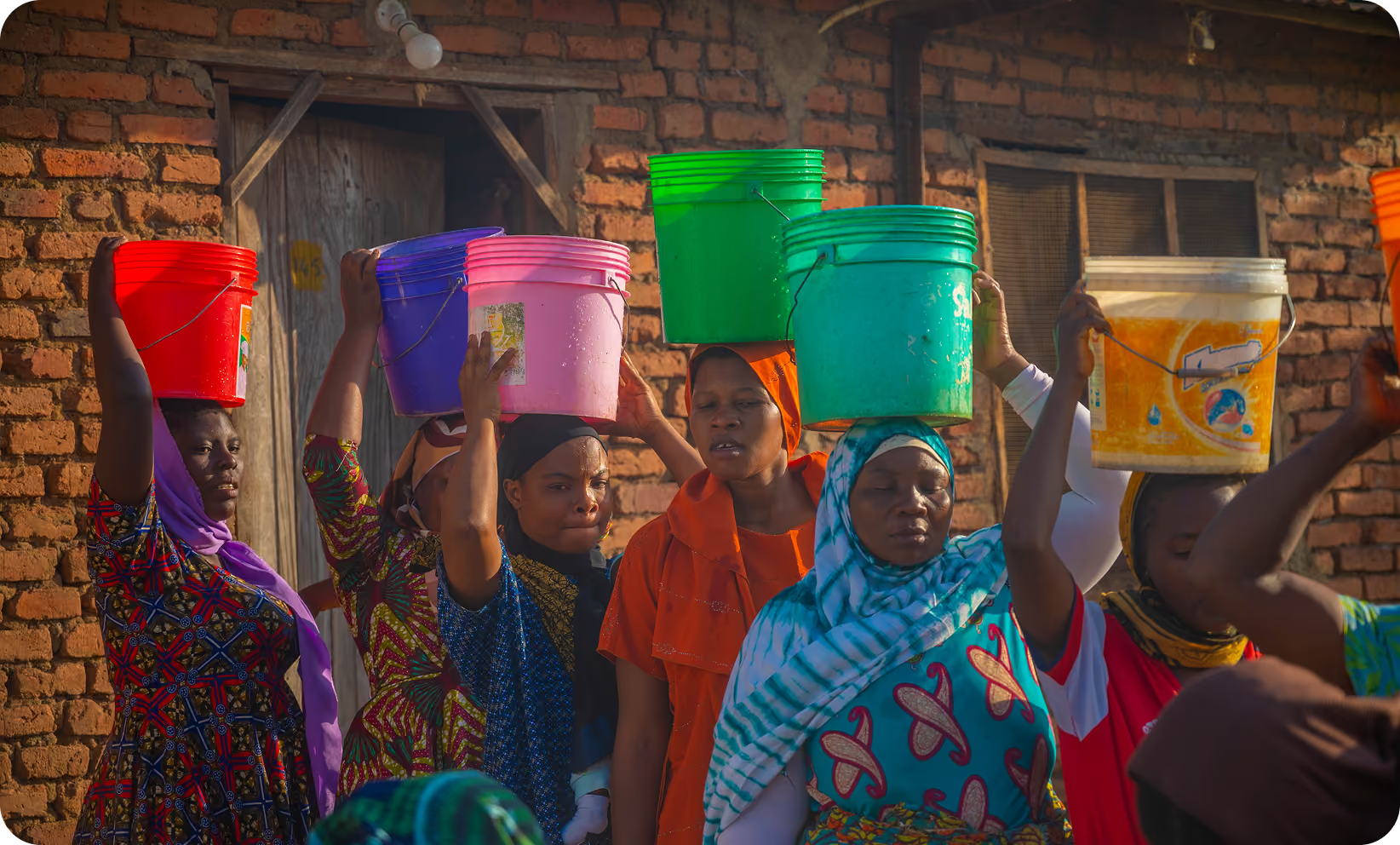
Zakat al-Mal vs Zakat al-Fitr
- Zakat al-Mal is the obligatory charity calculated on wealth (cash, gold, stocks) held for over a lunar year, at a rate of 2.5%. It purifies yearly accumulated wealth.
- Zakat al-Fitr is due at the end of Ramadan, before the Eid prayer. It purifies the fasting person from any indecent act or speech and helps the poor enjoy the day of Eid.
Exploring Zakat al-Mal: Meaning, Calculations, and Rules
Zakat al-Mal targets the purification of wealth by redistributing a portion to those in need. The calculation hinges on the Zakat Nisab, minimum wealth one must hold for a year:
- Nisab = value of 85 grams of gold or 595 grams of silver
- Rate = 2.5% on total value once nisab is exceeded
Nisab and Timings Payment becomes due one lunar year after wealth reaches or surpasses the nisab. Timing follows the lunar Islamic calendar and adjusts for the individual's current economic state.
Social Impact of Zakat al-Mal
- Alleviates poverty, supports social welfare projects
- Bridges gap between societal strata
- Spiritually cleanses the giver from greed and selfishness
Zakat al-Fitr: Meaning, Calculations, and Global Benefits
Zakat al-Fitr is designed to purify those who fast from any shortcomings during Ramadan and to enable the less fortunate to celebrate Eid al-Fitr.
- Calculated per person, not per wealth
- Equivalent to the cost of a day's meals for one person
- Due from every Muslim; young, old, male, female before the Eid al-Fitr prayer
- Ideally paid in the last few days of Ramadan


