

How ARCD Keeps Africa's Children Learning
Published Date:
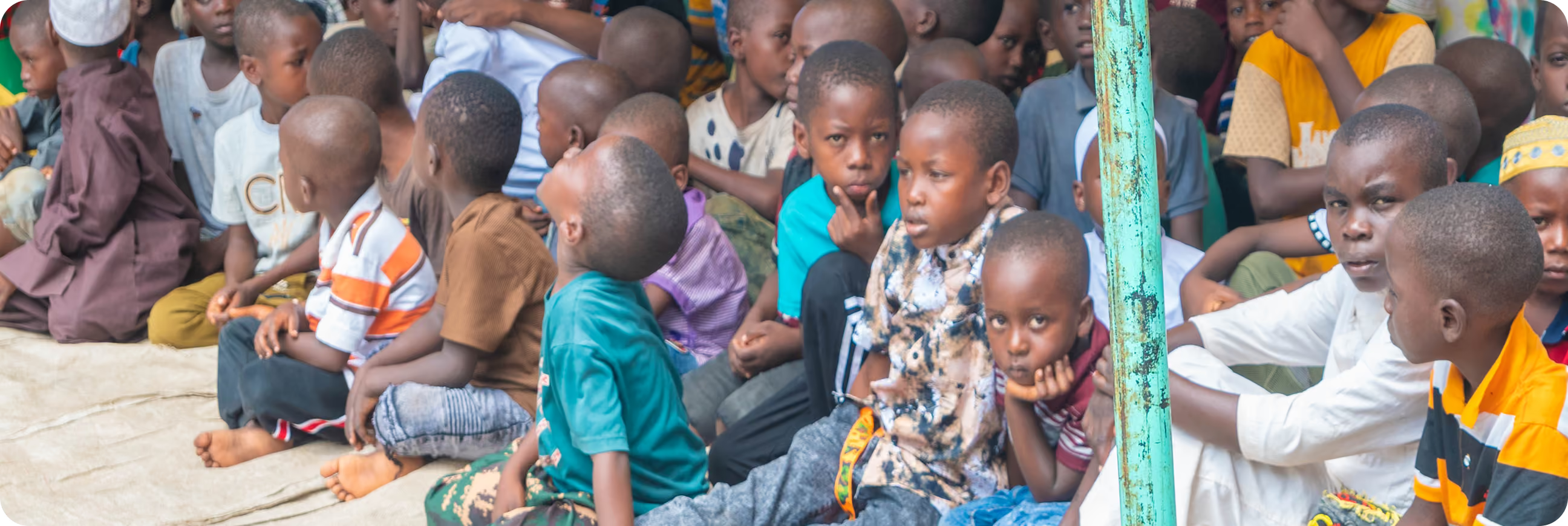
Education is one of the most powerful tools for breaking the cycle of poverty. Yet across Africa, millions of children continue to face barriers that prevent them from accessing quality learning opportunities. Poverty, conflict, food insecurity, displacement, and limited educational infrastructure often force children to leave school or never enroll at all.
According to the UNESCO Institute for Statistics and the Global Education Monitoring Report, an estimated 273 million children, adolescents, and youth were out of school worldwide in 2024. Sub-Saharan Africa and Central and Southern Asia together account for roughly three-quarters of them, and among primary- and lower-secondary-age children, Sub-Saharan Africa alone accounts for about half of the global out-of-school population. At ARCD, we believe expanding access to education is one of the most important investments for creating stronger communities and brighter futures.
At Africa Relief and Community Development (ARCD), we believe every child deserves the opportunity to learn, grow, and reach their full potential. Through sustainable education initiatives, ARCD helps remove barriers that prevent children from receiving an education while creating opportunities that benefit families and communities for generations.
In this article, we'll explore why education matters, the challenges children face, and how ARCD helps keep Africa's children learning.
>> Related Post: Six Programs, One Mission: A Complete Guide to ARCD's Programs
Why Education Matters
Education does far more than teach children how to read and write. It provides knowledge, confidence, life skills, and opportunities that can shape a child's future.
Children who remain in school are more likely to develop skills that improve employment prospects, support healthier lifestyles, and contribute positively to their communities. Education also plays a critical role in reducing poverty, promoting gender equality, and strengthening economic development.
When children receive quality education, the benefits often extend beyond the classroom. Educated individuals are better equipped to support their families, participate in local economies, and help build stronger communities for future generations.
Why Children Leave School
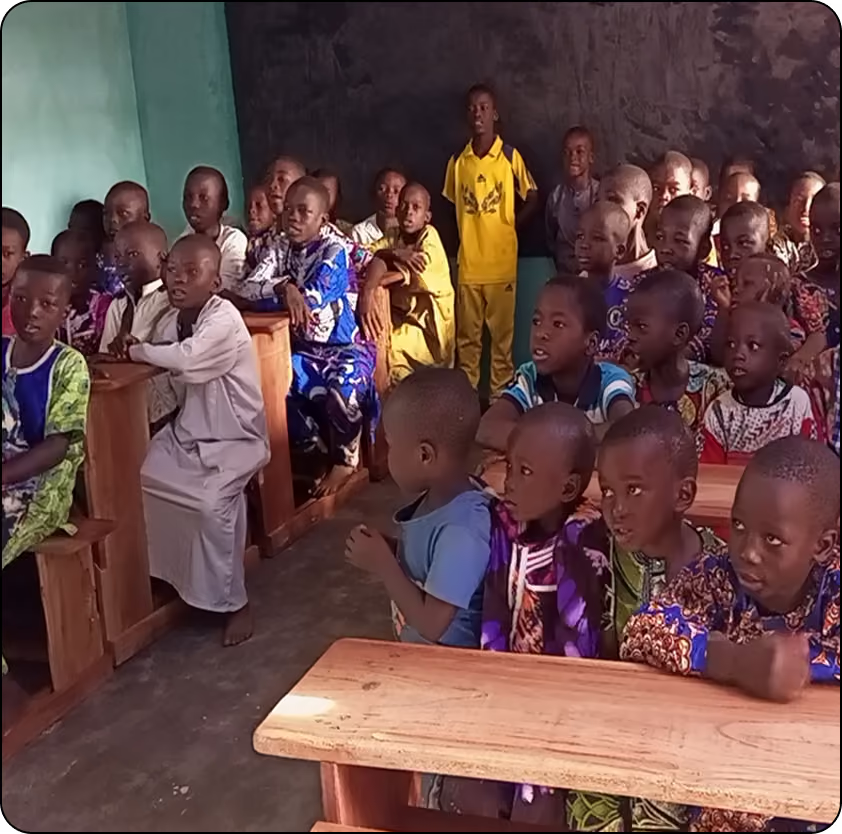
Many children across Africa want to learn but face circumstances that make education difficult.
1. Poverty
Families struggling financially may not be able to afford school supplies, transportation, or other educational costs. Children may also leave school to help support household income.
2. Food Insecurity
Hunger affects concentration, attendance, and overall academic performance. Children who lack proper nutrition often struggle to stay engaged in school.
3. Limited Educational Resources
Some communities have limited access to classrooms, qualified teachers, learning materials, or safe educational environments.
4. Emergencies and Displacement
Natural disasters, conflict, and humanitarian emergencies can interrupt children's education for months or even years.
According to Education Cannot Wait, crises continue to disrupt learning for millions of children worldwide, making education support an essential part of humanitarian response.
>> Related Post: How Does Food Insecurity Affect Children: Effects of Child Hunger
Education Benefits Entire Communities
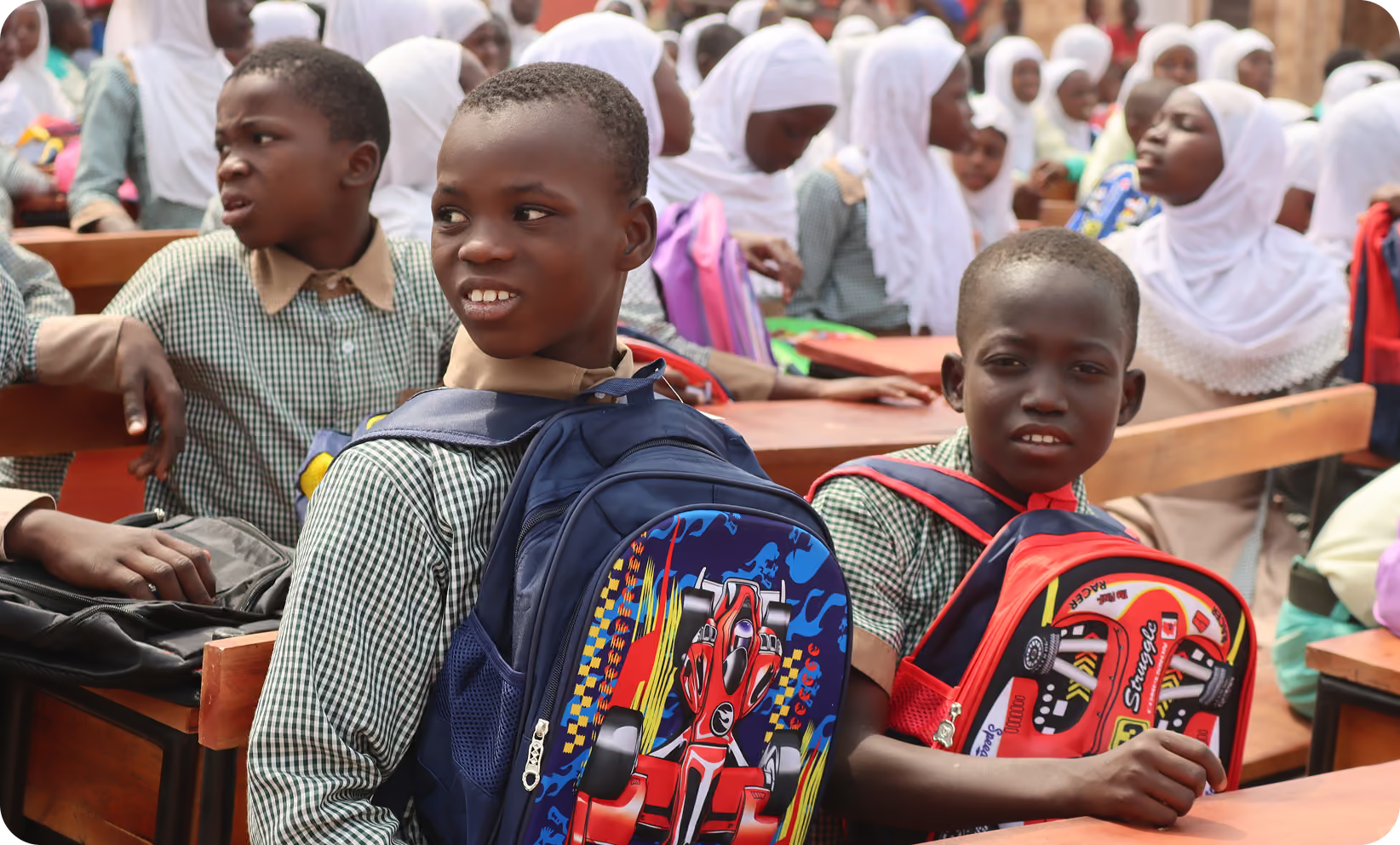
Investing in education creates positive outcomes that extend well beyond individual students.
Communities with greater access to education often experience stronger economic growth, improved health outcomes, increased employment opportunities, and greater resilience during times of hardship.
Parents who are educated are also more likely to prioritize education for their own children, crating a cycle of opportunity that can benefit future generations.
>> Related Post: 7 Surprising Benefits of Donating to Charity You Didn’t Know
Why Supporting Education Is a Long-Term Investment
Supporting education is one of the most effective ways to create lasting social change.
Rather than addressing immediate challenges alone, educational investments help individuals develop the knowledge and skills needed to improve their own lives and contribute to stronger communities.
According to the Global Partnership for Education, every child deserves access to quality learning opportunities regardless of where they live or the challenges they face.
How ARCD Supports Children's Education
ARCD believes that education should be accessible to every child, regardless of their circumstances.
Rather than addressing education in isolation, ARCD supports children by helping remove many of the barriers that prevent learning. Through investments in education, alongside initiatives in healthcare, clean water, nutrition, community empowerment, and orphan sponsorship, ARCD helps create environments where children have a better opportunity to stay in school and succeed.
By taking a holistic approach, ARCD helps communities create stronger foundations that support children's learning and long-term development.
>> Donate Today and help create opportunities that last a lifetime.
FAQs
1. Why is education important for children in Africa?
Education helps children develop knowledge, life skills, and opportunities that improve their future and strengthen communities.
2. Why do many children leave school?
Common reasons include poverty, food insecurity, conflict, displacement, and limited access to educational resources.
3. How does ARCD support children's education?
ARCD supports education by addressing barriers such as poverty, healthcare, nutrition, clean water, and community development alongside learning initiatives.
4. Why is education important for reducing poverty?
Education increases employment opportunities, improves earning potential, and helps break cycles of poverty.
5. How does food insecurity affect education?
Children experiencing hunger often struggle with attendance, concentration, and academic performance.
6. Why is clean water important for education?
Access to clean water improves health, reduces illness, and helps children attend school more consistently.
7. How does orphan sponsorship support education?
Orphan sponsorship helps provide children with access to education, care, and opportunities for long-term development.
8. What impact does education have on communities?
Education contributes to stronger economies, healthier families, and greater community resilience.
9. How can I support children's education in Africa?
You can donate to organizations that provide education and related support services to vulnerable communities.
10. How can I support ARCD?
You can donate through ARCD's website to help expand education and other life-changing programs across Africa.


