

Building Water Wells in Africa: Costs, Benefits, and Impact
Published Date:
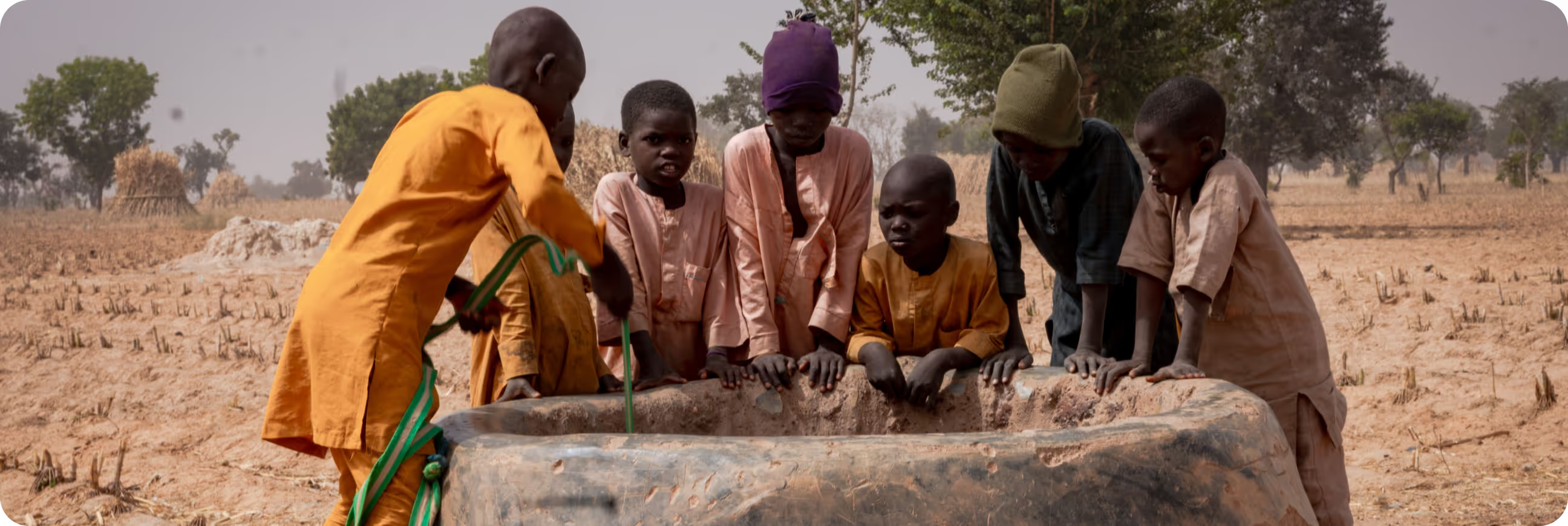
Across Africa, millions of people still struggle to access safe and reliable drinking water. In many rural communities, families walk long distances to collect water from unsafe sources, affecting health, education, livelihoods, and overall quality of life.
According to UNICEF, 2.1 billion people globally still lacked safely managed drinking water in 2024, while millions relied on limited, unimproved, or surface water sources such as rivers and lakes. This highlights the urgent need for sustainable water solutions in underserved communities.
For many communities, building water wells in Africa is one of the most effective ways to improve access to clean water. A well can reduce disease, save time, support education, and strengthen long-term community development.
At Africa Relief and Community Development (ARCD), clean water is part of a wider mission to support vulnerable communities through sustainable humanitarian programs.
In this blog, we’ll explain what is the cost to drill one well in Africa, what factors affect pricing, and how water wells create lasting impact.
>> Related Post: ARCD Programs Guide: Creating Sustainable Change Across Africa
Why Are Water Wells in Africa Important?
Clean water is essential for survival, health, and community development. Without safe water, families may rely on rivers, ponds, or other unsafe sources that increase the risk of disease.
Water wells help communities by providing a more reliable source of clean water close to homes, schools, farms, and health facilities.
Clean Water Supports Health
Unsafe drinking water can expose children and families to preventable diseases. UNICEF notes that safe water and hygiene help keep children alive, especially because children are more vulnerable to infectious diseases.
When a community has access to clean water, families are better able to maintain hygiene, reduce illness, and improve overall well-being.
What Is the Cost to Drill One Well in Africa?
The cost to drill one well in Africa can vary widely depending on the country, location, depth, soil conditions, equipment, and type of water system installed.
According to organizations such as Water Wells for Africa, the cost of building and maintaining a sustainable water project can vary significantly based on local conditions, drilling requirements, and community needs. Their work highlights the importance of investing in long-term water solutions that remain functional for years to come.
In many cases, a standard borehole or community well may cost between $5,000 and $15,000, while deeper or more complex wells may cost more. Costs can increase when drilling is required in rocky terrain, remote areas, or regions with deeper groundwater sources.
Why Well Costs Vary
The final cost of a well depends on several factors, including:
- Depth of the water table
- Soil and rock conditions
- Transportation of drilling equipment
- Pump type
- Water testing
- Community size
- Long-term maintenance needs
A shallow hand-dug well may cost less, but a deeper borehole with a durable pump is often more reliable for long-term community use.
>> Related Post: How Does Food Insecurity Affect Children: Effects of Child Hunger
What Does a Water Well Donation Usually Cover?
A water well donation usually supports more than drilling alone. A strong water project may include site assessment, drilling, pump installation, water quality testing, community training, and maintenance planning.
Key Parts of a Sustainable Well Project
A complete water well project may include:
- Surveying and selecting the right site
- Drilling or digging the well
- Installing a hand pump or solar-powered pump
- Testing the water for safety
- Training local community members
- Creating a maintenance plan
This is why donors should look beyond the lowest price and focus on long-term sustainability.
>> Related Post: 7 Surprising Benefits of Donating to Charity You Didn’t Know
Benefits of Building Water Wells in Africa
Water wells can transform daily life for families and communities.
1. Better Health Outcomes
Clean water helps reduce exposure to waterborne diseases and supports better hygiene. Families can drink, cook, wash, and clean with safer water.
2. More Time for Education
In many communities, women and children spend hours collecting water. A nearby well can reduce travel time, allowing children to attend school more regularly and families to focus on work, farming, and caregiving.
3. Stronger Food Security
Water access supports home gardens, livestock, and small-scale agriculture. This can help families improve nutrition and become more resilient during dry seasons.
4. Greater Community Stability
When clean water is available locally, communities are better equipped to grow, stay healthy, and reduce dependence on unsafe water sources.
How Water Wells Create Long-Term Impact
Access to clean water creates benefits that extend far beyond daily consumption. It helps improve health outcomes, supports better hygiene practices, and allows children to spend more time in school rather than collecting water from distant sources.
Over time, reliable water access can strengthen entire communities by supporting livelihoods, improving food security, and creating opportunities for long-term development. When properly maintained, a single water well can provide lasting impact for years to come.
How ARCD Supports Clean Water Access
Africa Relief and Community Development (ARCD) supports clean water initiatives as part of its broader mission to improve lives across Africa.
Through clean water projects, ARCD helps communities gain access to safer water sources while supporting long-term health, dignity, and resilience.
ARCD’s work also connects clean water with education, healthcare, food support, orphan care, and community empowerment to address the wider challenges affecting vulnerable families.
FAQs
1. What is the cost to drill one well in Africa?
The cost can vary, but many community wells or boreholes range from around $5,000 to $15,000 depending on location, depth, soil conditions, and pump type.
2. Why do water well costs vary in Africa?
Costs vary because of groundwater depth, terrain, drilling equipment, transport, pump systems, water testing, and maintenance needs.
3. Why are water wells important in Africa?
Water wells provide safer and more reliable access to clean water, helping improve health, hygiene, education, and community development.
4. How long does a water well last?
A well can last for many years if it is properly built, regularly maintained, and supported by the local community.
5. What does a water well donation cover?
It may cover site surveys, drilling, pump installation, water testing, community training, and maintenance planning.
6. Are hand-dug wells cheaper than boreholes?
Yes, hand-dug wells are often cheaper, but boreholes may be more durable and reliable in areas with deeper groundwater.
7. How do wells improve education?
When water is available nearby, children spend less time collecting water and more time attending school.
8. How do water wells support food security?
Clean water can support small-scale farming, livestock, and gardens, helping families improve nutrition and resilience.
9. How can I help build water wells in Africa?
You can donate to trusted organizations that support clean water projects and sustainable community development.
10. Does ARCD support clean water initiatives?
Yes. ARCD supports clean water projects as part of its broader mission to improve health, dignity, and resilience across African communities.


