

What Water Wells Mean for Djibouti: Cost, Benefits & Impact
Published Date:
Sagalou already had wells when acute watery diarrhoea broke out there in October 2024. UNICEF reported that the village, home to around 5,200 people in Djibouti's Tadjourah region, relied on a few traditional wells that were unprotected from contamination and produced too little water for its growing population. The outbreak exposed a gap that a simple count of water points would miss. A well and a safe water supply are not the same thing.
This guide explains what a Djibouti water well costs, what keeps one working in a country with very little renewable water, and what changes for a family once it does. It draws on ARCD's published project prices and on recent data from UNICEF and the World Bank.
Why Djibouti Needs Better Wells, Not Just More
Djibouti's water problem is less about finding a place to dig and more about what lies underground once you do. Wells draw on groundwater that is scarce, slow to refill and, in places, turning saltier. A well built without accounting for those limits can fail long before its donors expect.
Very Little Water to Share
The World Bank puts Djibouti's renewable water resources at only 185 cubic meters per person per year, well below the 500 cubic meter line it uses for absolute water scarcity. In some areas, it says, groundwater is being pumped out faster than it can recharge, while droughts and rising salinity add pressure. That is why choosing the site and testing the water have to come before any construction.
Rural Families Fall Furthest Behind
The same World Bank release reports that only 47 percent of rural residents have basic drinking water, against 83 percent in urban areas. The bank links that gap to decades of unequal investment. Djibouti's villages and pastoral communities are where a new well changes the most, and where existing systems are hardest to keep running.
>> Related Post: ARCD Supports Displaced Yemeni Families in Djibouti
What Keeps a Well Working in Djibouti
The World Bank warns that many rural water systems in Djibouti fall out of service because they are not properly maintained. Newer projects in the north are designed around avoiding that outcome. In Tadjourah and Obock, a UNICEF project funded by Japan pairs 15 new solar-powered boreholes with 18 trained water management committees, with the aim of reaching more than 20,000 people.
1. Protection From Contamination
In Sagalou, the response to the outbreak began with disinfecting water points and repairing the village's supply network and reservoir. Many projects pair water points with latrines, handwashing stations and hygiene campaigns, since water that leaves the tap clean can still be contaminated before anyone drinks it. Protection is part of the build, not an afterthought.
2. Power That Does Not Depend on Fuel
ARCD's top water-system option is solar-powered, while UNICEF is also using solar-powered boreholes in its northern Djibouti project. Solar pumping removes the need to buy and truck diesel to remote villages, which is one less thing that can stop the water. The trade-off is a higher upfront price, which the per-person comparison above helps put in perspective.
3. Local People Who Own the Repairs
ARCD forms and trains community water and hygiene committees to manage and maintain each facility. That is the gap the World Bank describes: someone nearby has to be responsible when a pipe leaks or a pump stalls. Without that ownership, even a well-built system can go quiet.
>> Related Post: Water Scarcity in Africa: Causes & Solutions
What a Djibouti Water Well Costs
ARCD publishes three price levels for a complete well, and the cost to build a water well in Djibouti through ARCD starts with choosing among them. The right option depends on how many people the source must serve and what the site allows, which ARCD's local teams assess before construction.
Note: ARCD's published water-well gift amounts are not the same thing as a contractor's construction quote. Actual drilling and installation costs in Djibouti vary by site, depth, geology, equipment, transport and other requirements.
How Djibouti Community Water Projects Change Daily Life
The benefits of a working well show up in who carries water, who gets sick and how families spend their time. Djibouti community water projects should be judged by those changes rather than by the opening ceremony.
Safer Days for Women and Girls
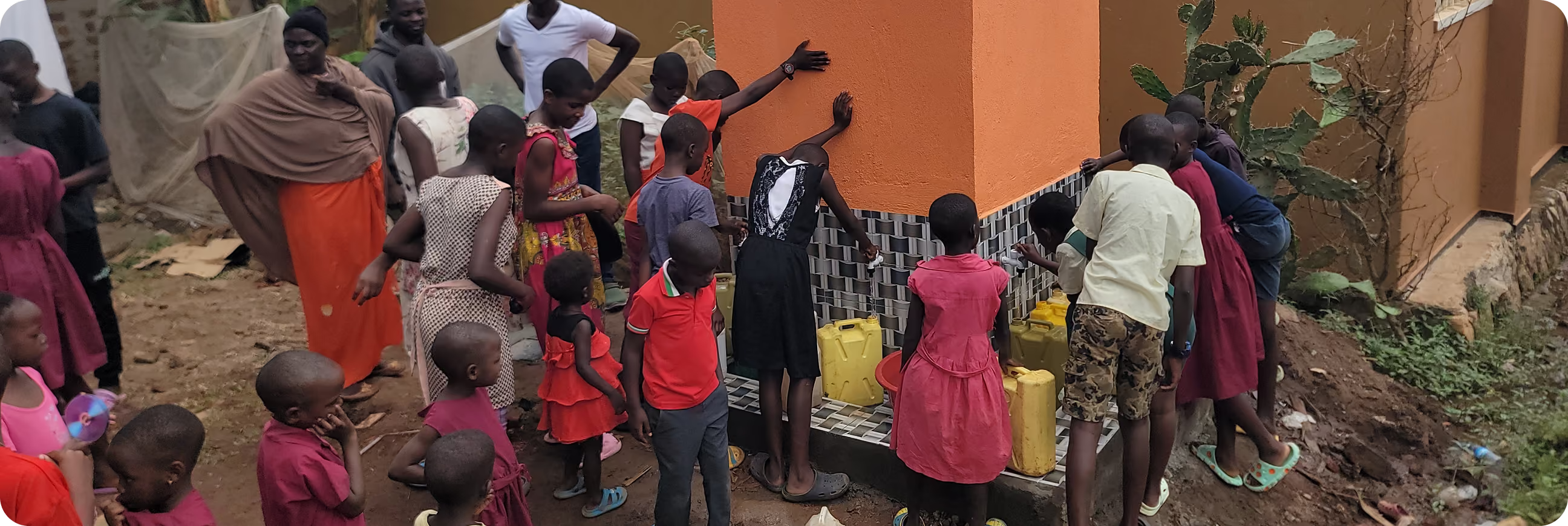
UNICEF found that in Sagalou, fetching water falls almost entirely on women and girls, and long trips expose them to harassment and assault. One resident told UNICEF she expected the long walks to end once new public water points opened near homes. For women and girls who currently travel long distances to collect water, bringing a safe water point closer to home can reduce some of the risks associated with those journeys.
Fewer Water-Related Illnesses
A community health volunteer in Sagalou told UNICEF she had met mothers who lost children to water-related illnesses. Safe water at the source lowers that risk, and it pairs naturally with the clinics and prevention work. Families who lose fewer days to sickness also lose fewer days of work and school.
Time Back for School and Work
ARCD designs its wells to cut the daily burden of collecting water so children have more time for school. For a family, hours once spent hauling water become hours for study, work or rest.
How ARCD Builds Water Wells in Djibouti
ARCD was founded in New Jersey in 2019 and works in 32 African countries through six regional offices. ARCD has built more than 2,400 water wells across Africa, and its team in Djibouti also heads the organization's emergency relief for displaced Yemeni families in Obock. Its projects follow three steps.
- Local teams and community partners identify communities with urgent water needs.
- The project type, from a surface well to a solar water system, is chosen to fit that local need.
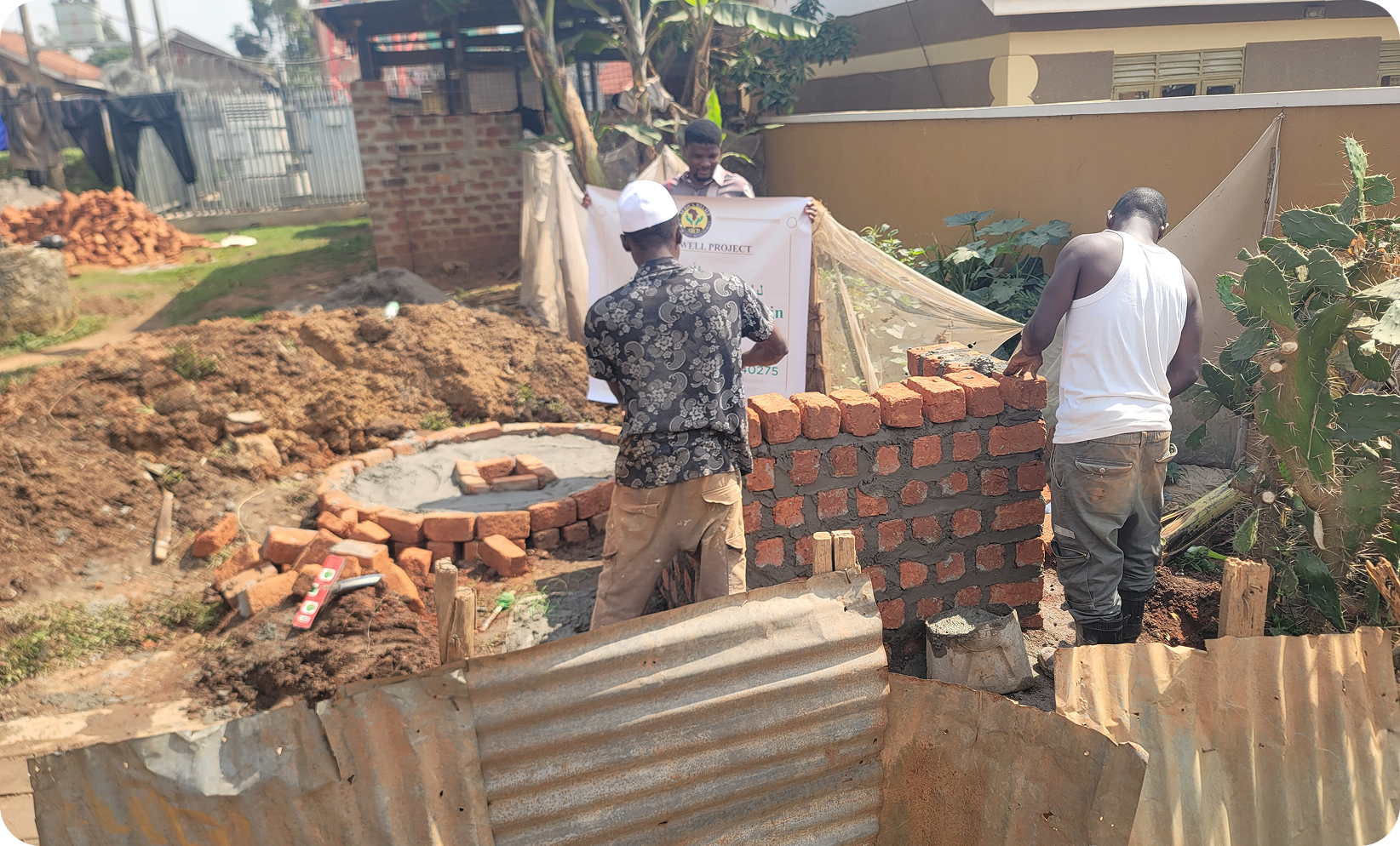
- The well or solar system is built for shared community use, with a local committee trained to look after it.
>> Give toward safe water in Djibouti so the walk for water gets shorter and safer.
FAQs
1. What counts as "basic" drinking water in Djibouti's statistics?
The World Bank defines basic drinking water as water from an improved source where collection takes no more than 30 minutes for a round trip. The definition looks at the type of source and the distance. It does not consider whether water is available every day or tested free of contamination. A household can count as having basic access and still face shortages or quality problems.
2. Has Djibouti declared a water emergency?
Yes. UNICEF reports that on 2 July 2025 the President of the Republic declared a nutrition and water crisis, after an exceptionally weak March to May rainy season. The declaration called for stronger health and food interventions, particularly in remote areas. Its timing helps explain why several of Djibouti's current rural water projects were announced in late 2025 and 2026.
3. How much does drought cost Djibouti?
The World Bank's representative in Djibouti has said drought can cost the country up to 4 percent of GDP. Pastoral and rural communities carry the heaviest share because their livelihoods depend directly on rain and groundwater. Reliable wells soften how hard each dry spell hits those households.
4. Who else is investing in rural water in Djibouti?
In March 2026 the World Bank approved a $35 million grant expected to give 127,000 rural residents reliable basic water. The project will build and rehabilitate rural water systems and train staff at the national Rural Hydraulic Directorate. Charity-funded community wells complement these large public programs by reaching specific villages directly.
5. Can I give less than the cost of a whole well?
Yes. Our water well appeal accepts gifts of $50, $100 and $500 toward our water projects alongside full-well sponsorship. These regular donations fund the building of clean water supplies, while a full sponsorship pays for one complete project. This route suits donors who want to support water access without picking a single project.
6. How long does a well last?
Each well we build is designed to serve its community for 15 or more years. Spread across that span, a surface well costs less than $170 a year. Actual lifespan depends on water levels and upkeep at each site.


