

Top 5 Causes of Food Insecurity: Its Effects and Solutions in 2026
Published Date:
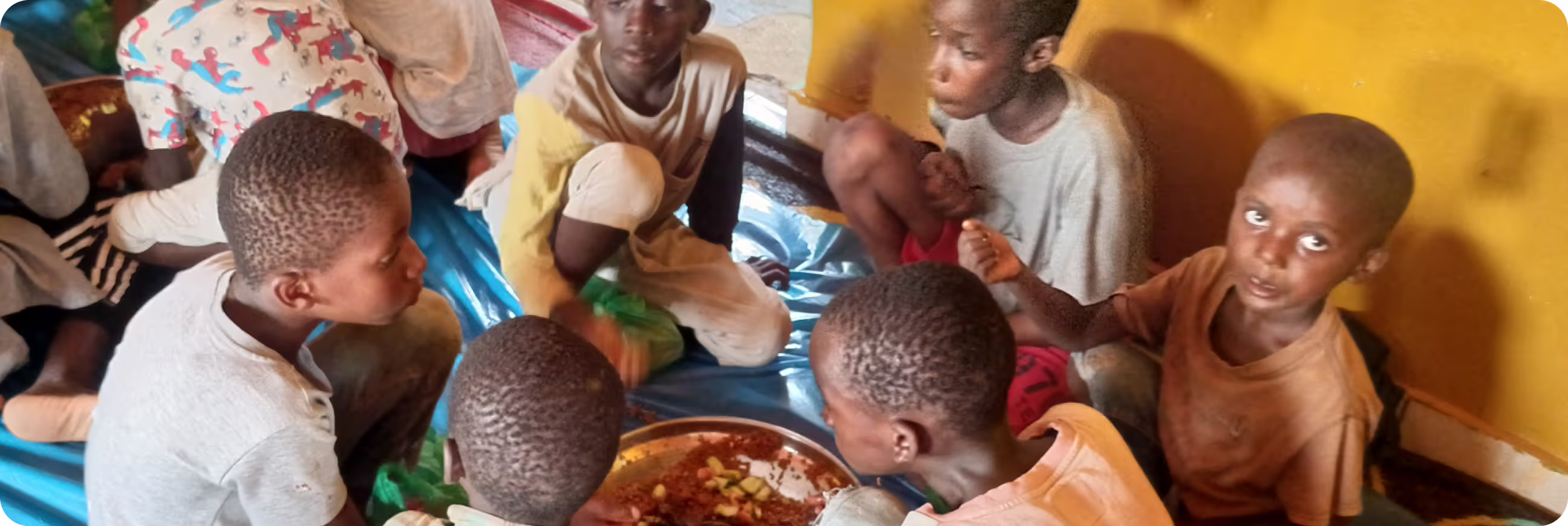
Food insecurity remains one of the world's most pressing humanitarian challenges. Millions of people continue to struggle with limited access to safe, nutritious, and sufficient food, affecting their health, livelihoods, and future opportunities.
According to the World Food Programme (WFP), hunger continues to impact hundreds of millions of people worldwide, with conflict, economic instability, and climate-related shocks driving food insecurity in many regions.
While hunger is often associated with a lack of food, the reality is far more complex. Understanding the causes of hunger is essential to developing sustainable solutions that help communities build long-term resilience.
At Africa Relief and Community Development (ARCD), we believe addressing hunger requires a combination of immediate support and long-term development initiatives that tackle the root causes of food insecurity.
In this article, we'll explore the top causes of food insecurity, examine the impacts of food insecurity, and discuss practical solutions that can help create lasting change.
>> Related Post: ARCD Programs Guide: Creating Sustainable Change Across Africa
What Is Food Insecurity?
Food insecurity occurs when individuals or families do not have reliable access to enough nutritious food to maintain a healthy and active life. Food insecurity can range from occasional uncertainty about where the next meal will come from to chronic hunger that affects health, development, and economic stability. Access to nutritious food is essential for physical health, education, productivity, and overall well-being. Without it, individuals and communities face significant challenges that can affect future generations.
>> Related Post: How Does Food Insecurity Affect Children: Effects of Child Hunger
Top 5 Causes of Food Insecurity in 2026/2027:
1. Poverty and Economic Instability
One of the leading causes of hunger is poverty. When families lack a stable income or employment opportunities, they often struggle to afford enough food to meet their nutritional needs. Rising food prices, inflation, and economic downturns can make the situation even more difficult. Poverty limits access to food, healthcare, education, and other essential services, creating cycles of vulnerability that are difficult to break.
Programs focused on education and empowerment can help families build more stable futures and reduce long-term food insecurity.
2. Conflict and Displacement
Conflict remains one of the most significant causes of food insecurity worldwide. Wars, political instability, and violence can disrupt food production, destroy infrastructure, and force families to leave their homes.
How Conflict Impacts Food Security
Communities affected by conflict often experience:
- Reduced agricultural production
- Disrupted food supply chains
- Loss of income opportunities
- Limited access to humanitarian assistance
3. Climate Change and Environmental Challenges
Extreme weather events are increasingly contributing to food insecurity. Droughts, floods, unpredictable rainfall, and rising temperatures can reduce crop yields, damage farmland, and threaten livelihoods.
Many communities that rely on agriculture are particularly vulnerable to climate-related disruptions.
Climate challenges can lead to:
- Reduced food production
- Water shortages
- Livestock losses
- Higher food prices
These factors can significantly affect food availability and affordability.
4. Limited Access to Clean Water
Food security and water security are closely connected. Without reliable access to clean water, communities struggle to grow crops, maintain livestock, and meet basic household needs.
Why Water Matters
Clean water supports:
- Agriculture
- Food production
- Nutrition
- Health and hygiene
Through clean water initiatives, ARCD helps communities address some of the underlying factors that contribute to hunger and poverty.
5. Poor Healthcare and Malnutrition
Poor health can both contribute to and result from food insecurity. When individuals lack access to healthcare services, they may struggle with illness, reduced productivity, and increased vulnerability to malnutrition. Malnutrition weakens immune systems, affects child development, and limits educational and economic opportunities.
Organizations such as ARCD emphasize the importance of combining nutrition, healthcare, water, and sanitation programs to address hunger effectively.
>> Related Post: 7 Surprising Benefits of Donating to Charity You Didn’t Know
Effects of Food Insecurity in 2026/2027:
The effects of food insecurity extend far beyond hunger itself.
1. Health Impacts
Food insecurity can negatively affect health, nutrition, and overall well-being. It increases the risk of malnutrition and illness while limiting a child's ability to grow, learn, and reach their full potential.
2. Educational Impacts
Children experiencing hunger may struggle to concentrate, attend school regularly, and achieve their full academic potential.
3. Economic Impacts
Food insecurity can reduce productivity, limit employment opportunities, and slow economic development.
4. Social Impacts
Communities facing persistent hunger often experience increased vulnerability, inequality, and reduced resilience during crises.
>> Related Post: Best Hunger Relief Charities to Donate to in 2026
Solutions to Food Insecurity
Addressing hunger requires coordinated efforts that tackle both immediate needs and underlying causes.
1. Improve Access to Nutritious Food
Food assistance and nutrition programs help vulnerable families meet their immediate needs.
Through ARCD's Food & Nutrition Programs, communities gain access to support that promotes better health and food security.
2. Invest in Education
Education helps individuals gain the skills and opportunities needed to improve their economic circumstances.
3. Expand Clean Water Access
Reliable water access supports agriculture, health, and food production.
4. Strengthen Healthcare Systems
Healthcare services help prevent and treat illnesses that contribute to hunger and malnutrition.
How ARCD Helps Fight Hunger
Africa Relief and Community Development (ARCD) addresses food insecurity through a combination of humanitarian assistance and sustainable development.
Its work includes:
By addressing multiple factors that contribute to hunger, ARCD helps create opportunities for healthier and more resilient communities.
Every contribution matters. Donate Today and help support programs that provide food, opportunity, and hope to vulnerable communities across Africa.
FAQs
1. What are the main causes of hunger?
The main causes include poverty, conflict, climate change, limited access to clean water, and poor healthcare.
2. What are the causes of food insecurity?
Food insecurity is often caused by economic instability, displacement, environmental challenges, inadequate infrastructure, and lack of resources.
3. What are the effects of food insecurity?
Food insecurity can lead to malnutrition, poor health, reduced educational outcomes, and economic hardship.
4. How does poverty contribute to hunger?
Poverty limits access to nutritious food and essential services, making it difficult for families to meet their basic needs.
5. How does climate change affect food security?
Climate change can reduce crop yields, increase water shortages, and disrupt food production systems.
6. Why is clean water important for food security?
Clean water supports agriculture, nutrition, health, and overall community well-being.
7. How can food insecurity be solved?
Solutions include improving food access, expanding education, strengthening healthcare, increasing water access, and supporting sustainable development.
8. What role do charities play in addressing hunger?
Charities provide food assistance, nutrition support, healthcare services, clean water projects, and community development programs.
9. How does ARCD help address food insecurity?
ARCD supports food and nutrition programs, education, clean water initiatives, emergency response, and community empowerment efforts.
10. How can I help fight hunger?
You can donate, volunteer, raise awareness, or support organizations working to address the root causes of hunger.


