

Solutions to Water Scarcity in Africa Are Making a Difference
Published Date:
A UNICEF-backed project in Uganda offers a clear lesson: local repair skills can keep school water systems running. UNICEF reports that 84 artisans were trained across all nine districts of Karamoja between October 2025 and June 2026, and that breakdowns can now be addressed in days rather than months. Before the training, some schools waited weeks for a repair team from outside the district. Building a water point matters, but so does knowing who will fix it when it breaks.
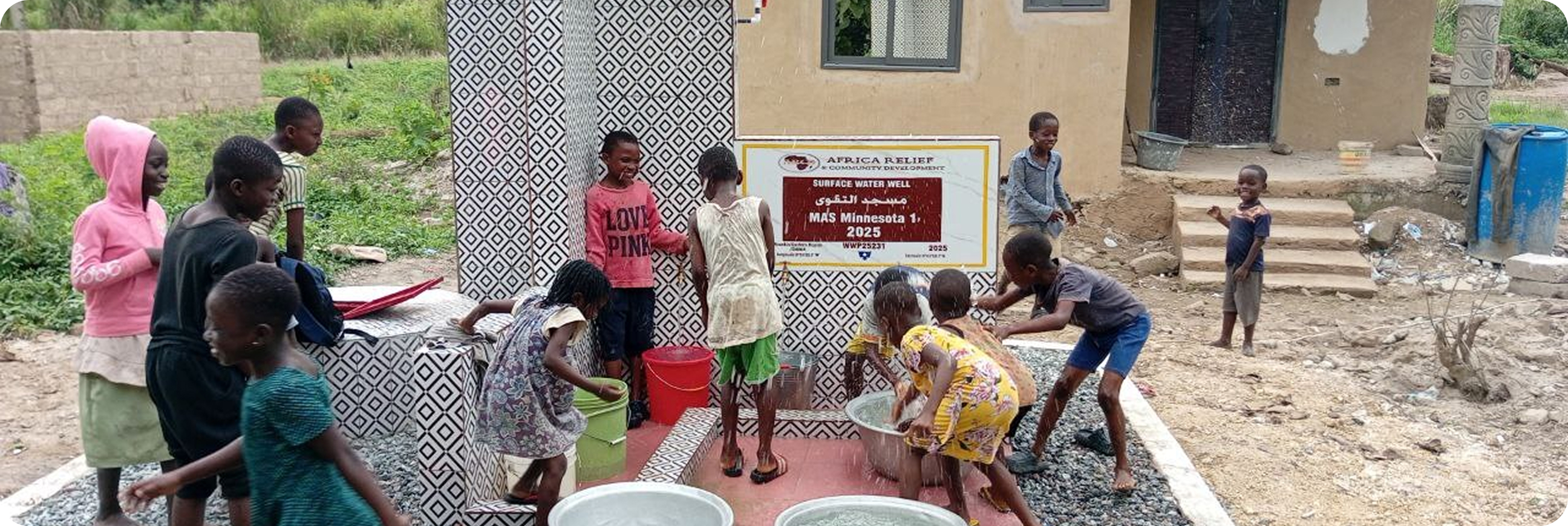
Africa Relief and Community Development (ARCD) applies the same principle in its own solutions to water scarcity in Africa, and its WASH approach also includes community committees and maintenance support. In July 2026, ARCD opened a surface well in Tanzania for a community that had been walking nearly 20 kilometers to reach water. This guide sets out the questions that show whether a water project is built for the long term, and how ARCD answers them.
Why Some Solutions to Water Scarcity in Africa Last
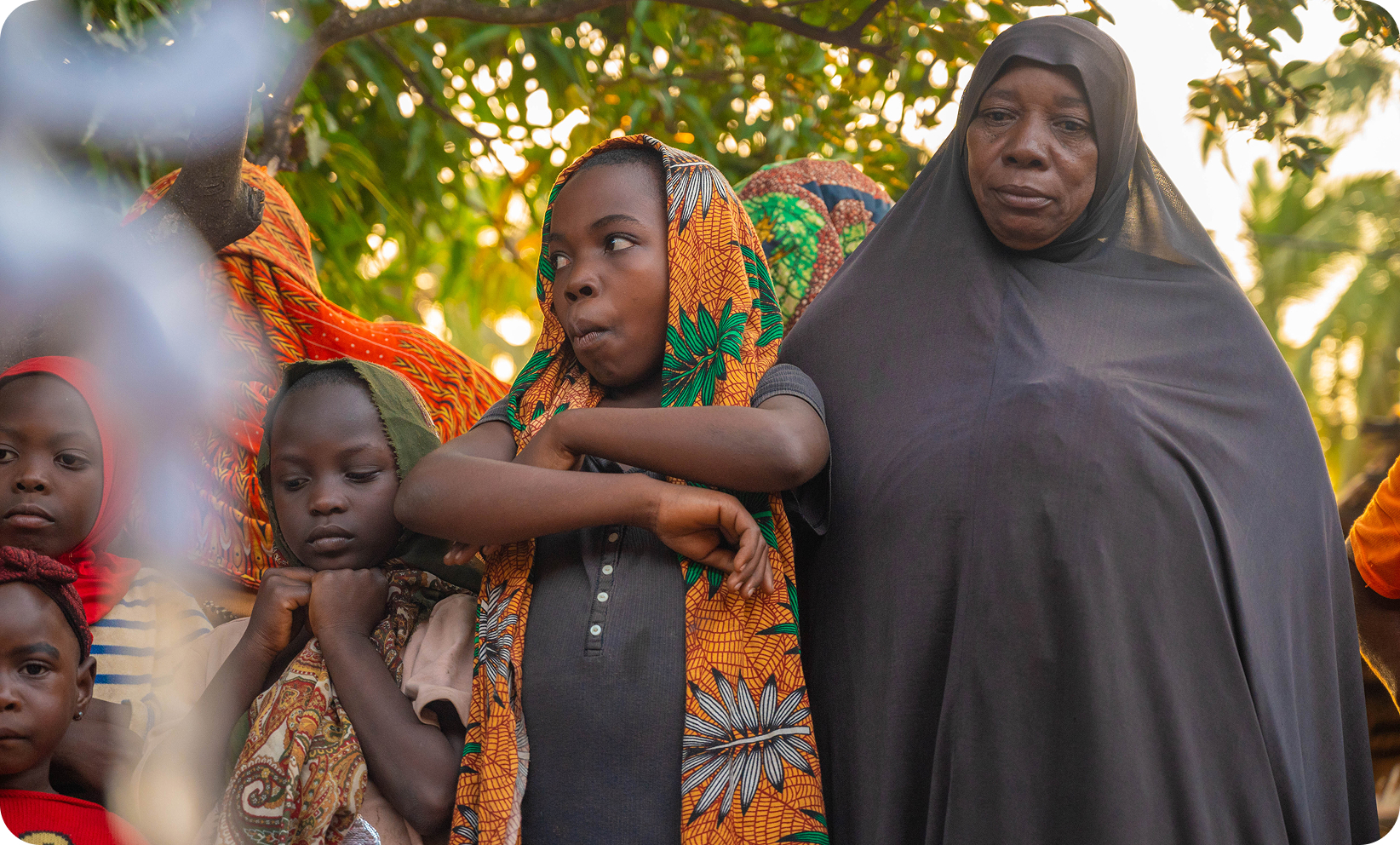
For many rural families, water scarcity is felt as distance and downtime: a source that is too far away, or a pump that has stopped. The burden does not fall evenly. The WHO/UNICEF Joint Monitoring Programme reports that women and girls handle most water collection in most countries with data, and that many women and girls in sub-Saharan Africa spend more than 30 minutes a day collecting water. When a nearby pump breaks, that time grows again, and it comes out of school, paid work and rest.
The Karamoja program also shows why local mechanics stay involved. One artisan told UNICEF that water systems start well but wear down under heavy daily use, which is when trained repairers are needed. The training paired technical skills with business skills and links to suppliers, and some artisans have since registered small repair businesses. A mechanic who earns from repairs has a reason to stay in the district and answer calls.
Whether a source is a hand pump or a solar-powered system, it needs three things once it is running: someone who can fix it, parts within reach and money to pay for both. Projects that plan for all three before construction ends are better placed to serve families for years.
>> Related Post: Building Water Wells in Africa: Costs, Benefits, and Impact
Five Questions to Ask Before You Fund a Water Project
There is no single answer to how to solve water scarcity in Africa. The causes of water scarcity in Africa differ from one region to the next, and so do the right fixes. What a donor can check is whether a project has been planned with care.
- How was this water source chosen?
The right well type depends on site conditions such as the water table and local geology, as well as the assessed need of the community it will serve. Some sites suit a shallow surface well, while others need a deeper borehole or a solar-powered system.
- Who will look after it?
A trained local group with clear responsibility is the difference between a quick repair and months without water.
- Where will repair money come from?
Parts wear out with daily use, so ask whether funds are set aside before the first breakdown rather than raised after it.
- Does the project go beyond the tap?
Latrines, handwashing stations and hygiene education can help reduce disease risk and protect the health gains.
- How will you know it was built?
Photos, location details and updates can help confirm project completion. They don't by themselves show whether a water point remains in service, so it is worth asking how an organization stays in touch with communities afterwards.
A well-run organization should answer all five without hesitation. Vague answers about repairs deserve more attention than an impressive count of wells built. The same questions also help you compare appeals that look alike on the surface.
>> Related Post: How to Help Orphans in Africa & Give Vulnerable Children a Better Future
ARCD's Solutions to Water Scarcity in Africa
ARCD is a U.S.-based nonprofit working on water, health, education, food security and livelihoods in more than 30 African countries. Since 2019, it has built more than 2,400 water wells across Africa, using hand pumps or solar-powered systems depending on the site.
Here's how ARCD addresses those questions:
- Site choice: Communities are identified through ARCD's local teams and partners, and each project type is matched to local need, as set out on its page for water well projects across Africa. In Tanzania, the team chose a surface well based on the water table and the size of the community.
- Upkeep: ARCD's WASH program trains community water and hygiene committees and supports ongoing maintenance. In Tanzania, residents were also trained in basic repairs and encouraged to contribute to a repair fund.
- Beyond the tap: The program builds latrines and handwashing stations and runs hygiene campaigns.
Clean Water Solutions in Africa That Donors Can Support
ARCD's water well appeal accepts gifts of any size, with suggested contributions starting at $50 toward community water projects. Donors who want to fund a full project can choose a well type matched to the community it will serve:
- $2,500 builds a surface well serving roughly 200 to 400 people.
- $4,600 builds an artesian well serving roughly 400 to 600 people.
- $5,500 builds a solar water system serving 800 or more people.
>> Fund a surface, artesian or solar well for a community in Africa where the nearest safe water is still hours away.
FAQs
1. Is water scarcity in Africa only about a lack of rain?
No. Dry regions do face physical shortages, especially in drought years. For many families, though, the daily problem is reaching a safe source, because it is far away, broken or lacks the power to pump. The right fix depends on local conditions and how many people a source must serve.
2. What does "safely managed" drinking water mean?
It is the highest level on the scale the WHO/UNICEF Joint Monitoring Programme uses to track progress. Water counts as safely managed when it comes from a source on the household's premises, is available when needed and is free from contamination. A protected community well is a real improvement, yet it still falls short of that standard because the source sits outside the home.
3. Why do solar-powered water systems cost more than hand-pump wells?
A solar system adds panels and an electric pump on top of the borehole itself, and often a tank to store water. That higher upfront price buys the ability to serve larger communities without the daily effort of hand pumping. Running costs stay low because sunlight replaces fuel.
4. How long is a water well meant to last?
ARCD's WASH program page states that its wells are intended to serve communities for 15 years or more. That is ARCD's stated design lifespan, not a verified result for every well. Actual service life depends on upkeep, since pumps, pipes and seals wear out with daily use.
5. Are donations for water wells tax-deductible?
ARCD is a U.S. 501(c)(3) nonprofit with EIN 46-2568671, and its website states that donations may be tax-deductible to the extent allowed by law. How much you can deduct depends on your own tax situation, including whether you itemize. A tax professional can confirm how a gift applies to you.
6. Why do water projects at schools matter so much?
Schools are where a missing water supply hits learning directly. The WHO/UNICEF Joint Monitoring Programme reports that 429 million school-age children worldwide had no basic drinking water service at school in 2025. Without water on site, schools face additional challenges around drinking water, sanitation and hygiene, while water collection can also place additional demands on children's time.


