

Which Charities Are Worth Donating to During Ramadan 2027?
Published Date:
Ramadan is a month of fasting, worship and generosity. Alongside fasting and prayer, Muslims give Zakat, offer voluntary Sadaqah, support people in need and prepare to pay Zakat al-Fitr before Eid. But choosing where to give requires more than finding a donation page. Donors need to understand which type of contribution they are making, who is eligible to receive it and how a charity delivers the assistance.
For Ramadan 2027, this guide explains how to plan charitable contributions throughout the month and what to look for when comparing organizations. It also profiles charities working in different regions and humanitarian areas, so readers can identify an option that aligns with their giving priorities.
How to Plan Your Giving Throughout Ramadan
A little planning can help Muslims fulfil their charitable obligations on time while making room for additional acts of generosity during the month. Rather than choosing every donation at the last minute, consider separating obligatory payments from voluntary giving.
Before Ramadan: Calculate Your Zakat
Review your eligible savings, investments, business assets and other qualifying wealth. Calculate your Zakat obligation using a reliable calculator or seek advice if your financial circumstances are complicated. If your Zakat due date falls during Ramadan, prepare the payment in advance.
During Ramadan: Support Immediate Needs
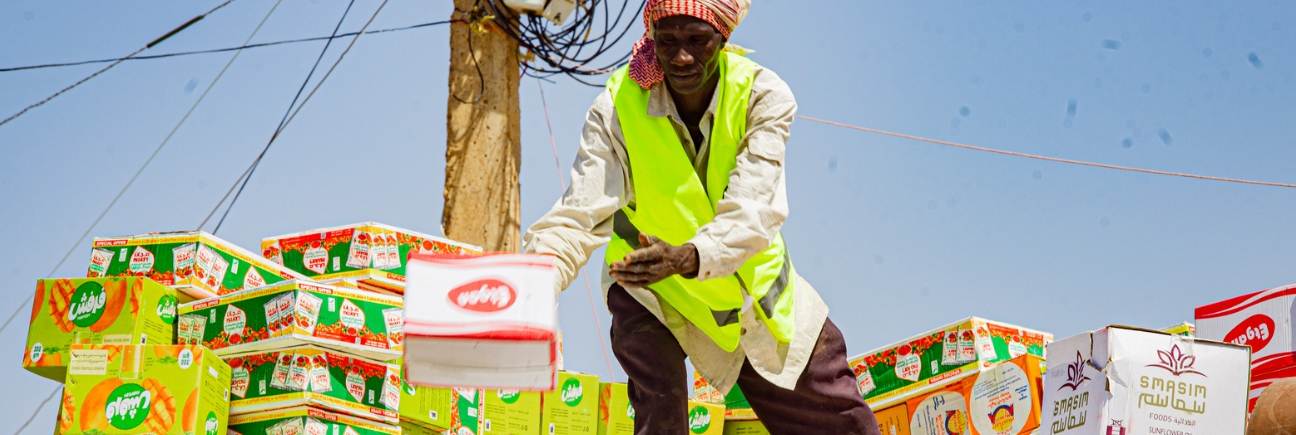
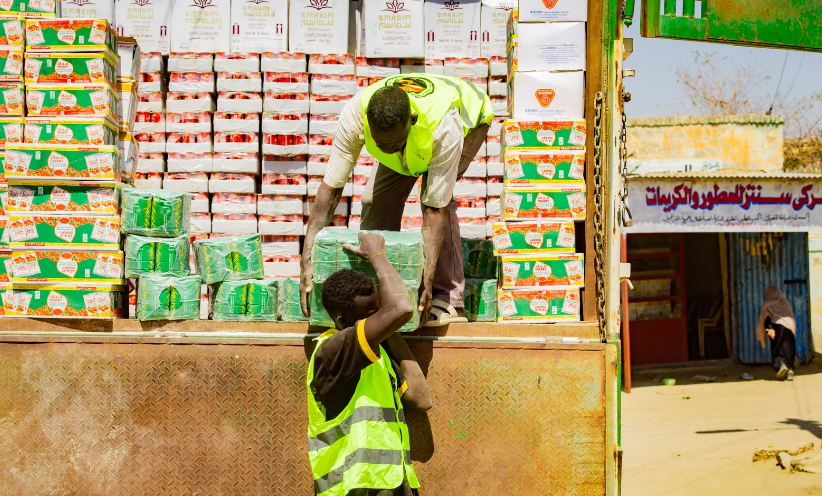
Consider voluntary donations that address urgent needs, such as food assistance, clean water, healthcare and support for displaced families. Food baskets and community Iftar programmes can help households facing food insecurity, while medical and emergency assistance may address needs that continue beyond the month.
During the Last Ten Nights: Maintain Consistent Giving
Many Muslims increase their worship and charitable giving during the last ten nights of Ramadan in pursuit of Laylat al-Qadr. If you want to spread donations across these nights, check whether your chosen charity offers scheduled daily or last-ten-night donations. Remember that Laylat al-Qadr should be sought across the last ten nights rather than treating one particular night as certain.
Before Eid: Pay Zakat al-Fitr on Time
Keep Zakat al-Fitr separate from your general Ramadan donations. Check the applicable amount, who is responsible for paying it and the charity's distribution deadline. Give early enough for the organization to deliver it to eligible recipients before Eid prayer.
>> Related Post: Top 10 Benefits of Ramadan for Spiritual, Mental and Physical Health
Different Types of Charities Supporting Ramadan Giving
Ramadan charities do not all work in the same way. Some organize food distributions specifically for the fasting month, while others use Zakat and Sadaqah to support people facing longer-term hardship. Understanding these differences can help donors choose an organization that matches their priorities.
1. International Ramadan Food Relief Organizations
These organizations coordinate food assistance across several countries, often working with local partners to identify households facing food insecurity. Their Ramadan programmes may include household food packages, prepared Iftar meals, cash assistance and food vouchers.
The advantage of larger international programmes is their ability to coordinate procurement and distribution across multiple locations. However, donors should look at where the organization actually works and whether its food assistance reaches the communities they want to support.
2. Zakat-Focused Charities
Some organizations place particular emphasis on collecting and distributing Zakat. They may operate dedicated Zakat funds, explain their recipient eligibility policies and provide information about how religious donations are allocated.
For donors fulfilling their Zakat obligation, this distinction matters. A charity's general humanitarian reputation does not automatically establish that every programme it operates is eligible to receive Zakat. Donors should check the organization's religious guidance and fund restrictions.
3. Refugee and Displacement Relief Organizations
Refugees and internally displaced people may face additional challenges during Ramadan, including limited access to food, income, shelter and essential services. Organizations working with displaced communities may provide cash assistance, food support, healthcare and other emergency services.
Cash assistance can be particularly useful when families have access to functioning local markets, because it allows them to purchase food and other essentials according to their needs. In areas where markets are disrupted, direct food distributions may be more practical.
4. Local and Community-Based Ramadan Charities
Local organizations often work directly with communities through food banks, community kitchens, mosque-based distributions and neighbourhood assistance programmes. Their work can help donors support people in their own cities or nearby communities.
Before donating, check whether the organization has a clear distribution process, reliable local partners and transparent information about the people it serves.
5. Long-Term Humanitarian and Development Organizations
Not every charitable need ends when Ramadan does. Some organizations use the month to raise support for clean water, education, healthcare, livelihoods and orphan care. These programmes can address underlying challenges that continue throughout the year.
Donors interested in lasting development should understand the expected project outcomes, maintenance arrangements and how the organization measures progress after the initial donation.
>> Related Post: 5 Good Deeds to Do in Ramadan to Earn the Greatest Reward
Ramadan Charities and Organizations to Consider in 2027:
NOTE: This is an illustrative, unranked list rather than an independent assessment of charity performance. Africa Relief and Community Development publishes this guide and is one of the organizations profiled, so the checks above apply to ARCD as much as to any other organization. Not every organization featured here had launched a dedicated Ramadan 2027 campaign at the time of writing. Some offer specific Ramadan appeals, while others provide Zakat or year-round giving options that support their ongoing humanitarian programs. These broader options are included because they also give donors a way to help families during Ramadan, so verify the current campaign, Zakat and tax details before giving.
1. Africa Relief and Community Development (ARCD)
Africa Relief and Community Development (ARCD) focuses its humanitarian work on communities across Africa, making it a relevant option for donors who want their Ramadan contributions to support programmes on the continent. The U.S.-registered 501(c)(3) nonprofit works across 32 African countries and supports food assistance, clean water, healthcare, education and orphan care.
Its Ramadan for Africa campaign accepts gifts as Zakat, Sadaqah or Fidyah and delivers Ramadan meals through year-round food and nutrition programs. Monthly orphan sponsorship runs alongside it, so a gift made in Ramadan can continue well past Eid.
2. Zakat Foundation of America
Zakat Foundation of America was founded in 2001 and sent its first Ramadan food aid that same year, to families in Pakistan and Afghanistan. The organization reports that it distributed 26 million meals during Ramadan 2025, and for 2026 it named Gaza and Sudan as its priorities. Its simplest entry point is built around a single grain: a $1-per-kilo rice gift for the staple at the center of so many iftar tables.
3. Mercy-USA for Aid and Development
After more than 30 years of work from its base in Plymouth, Michigan, Mercy-USA keeps its Ramadan offer deliberately narrow. Its 2026 campaign gave donors four choices: daily bread and hot meals in Gaza, water wells in drought-hit Somalia, month-long food boxes and emergency relief. A food box costs $150 and is sized to carry one family through the month. On its 2026 Ramadan page, Mercy-USA states that 96 percent of every donation goes directly to programs, a figure donors can compare with its published financial information.
4. USA for UNHCR
USA for UNHCR is the U.S. nonprofit that raises funds for the UN Refugee Agency, and it is the U.S. route into the Refugee Zakat Fund. Its strongest draw for Zakat payers is a distribution policy under which UNHCR covers overhead from non-zakat sources so that 100 percent of Zakat reaches eligible recipients, mostly as cash assistance. The fund is endorsed by scholarly bodies including Al-Azhar's Islamic Research Academy, and it suits donors who want their Zakat to reach displaced families in many countries rather than one region.
5. ICNA Relief USA
Not every Ramadan gift has to cross an ocean. ICNA Relief USA runs community food pantries and hot meal distributions through a hunger prevention program it began in 2005, and it has worked with federal agencies and food bank networks to widen halal options in emergency food assistance. That last detail matters to families who fast, because a pantry shelf only helps if what sits on it can be eaten. Its Ramadan Food Box page, updated in January 2026, prices a box at $75 and reports that donors helped it distribute 27,000+ food boxes the previous year. It fits donors who want part of their Ramadan giving to stay with families in their own state.
>> Related Post: After Ramadan Ends, How Can Muslims Maintain Their Good Habits?
Give This Ramadan
Where ARCD Fits Among Top Charities in Ramadan
For Ramadan 2027, ARCD’s Ramadan for Africa campaign aims to distribute 10,000 food baskets and sponsor 250 community Walimas across about 10 countries. These figures are targets rather than results, and they build on the 2026 distribution described below. The gift levels in the table show the amounts donors can choose from.
What Earlier Ramadans Delivered
The question raised earlier, where last Ramadan’s gifts actually went, applies to ARCD as well. Its Ramadan food basket distribution grew from 7,000 baskets in 2025 to 9,050 in 2026. Behind those two seasons sits a longer record:
- 63,350: People reached directly by the 2026 Ramadan food baskets
- 27,040: Ramadan food baskets distributed since 2021
- 5,500+: Orphan sponsorships
- 2,969+: Water wells built
- 7,000+: Cataract surgeries performed
Direct beneficiaries are people who personally receive a service, item or sponsorship. Cumulative figures cover ARCD’s work since its establishment, with program totals running through August 2026.
→ Fund an iftar or food basket in Africa this Ramadan.
FAQs
1. Can non-Muslims donate to Ramadan charities?
Yes. Non-Muslims can support general humanitarian programmes run by Ramadan charities. Donations to food assistance, healthcare, clean water, education and emergency relief are not restricted to Muslim donors. However, Zakat and Fidyah are religious contributions with specific eligibility and allocation requirements, so anyone making these payments should follow the relevant religious guidance.
2. Are Ramadan 2027 donations tax-deductible?
Gifts made during Ramadan 2027 fall in the 2027 tax year, so the rules that apply are those for 2027, not 2026. Gifts to qualified U.S. 501(c)(3) organizations may be deductible, depending on each donor's tax situation. Check IRS guidance for tax year 2027 once it is published, or speak with a tax professional before filing.
3. What is the difference between Zakat, Sadaqah and Fidyah?
Zakat is an obligatory payment on qualifying wealth for Muslims who meet the relevant conditions. Sadaqah is voluntary charity that can be given throughout the year to support people and charitable causes. Fidyah is a prescribed form of compensation for someone who is unable to fast for a valid, ongoing reason and cannot make up the missed fasts, subject to the relevant scholarly guidance. These contributions have different rules, so check how a charity separates and allocates each type of donation.
4. When should I make charitable donations during Ramadan?
You can give voluntary Sadaqah throughout Ramadan, while your Zakat should be paid by its due date. Many Muslims increase their worship and charitable giving during the last ten nights in pursuit of Laylat al-Qadr. Zakat al-Fitr should be paid early enough for it to reach eligible recipients before Eid prayer. If you want to spread your donations across several nights, check whether the charity offers scheduled or recurring contributions.


