

Donating to Africa on Giving Tuesday 2026 and where aid matters most
Published Date:
A shared day of giving has an obvious strength and a quieter blind spot. Giving Tuesday, which falls on December 1 this year, gathers generosity into a single moment, and the GivingTuesday movement has carried that idea well beyond the United States. What the day cannot settle is where all that generosity lands. Humanitarian money tends to follow attention, and in 2026 attention and need have drifted far apart, with much of the gap sitting in Africa.
That gap is the real question behind donating to Africa on Giving Tuesday. Some emergencies stay in the news for months and still run short of funds, while others barely surface as clinics close and food runs out. Sudan belongs to the first group and much of the Sahel to the second, yet both sit on the UN's latest list of its most underfunded crises. Knowing where those places are, and what families there need, gives a December gift a clearer direction.
Why Giving Tuesday Matters for Africa in 2026
The day lands at a lean moment for humanitarian budgets. Preliminary figures from the Organisation for Economic Co-operation and Development (OECD) show that humanitarian assistance from its major donor countries fell by 35.8% in 2025, while their bilateral aid to Africa dropped by 23.9%. When budgets shrink on that scale, aid agencies decide which feeding centers and clinics stay open, and private gifts can soften some of those decisions.
A second 2026 report carries a quieter warning about the numbers themselves. The Global Report on Food Crises, published by the Food and Agriculture Organization (FAO) and the World Food Programme (WFP), found that in 2025, 18 countries and territories lacked comparable food security data, including Burkina Faso, Ethiopia and the Republic of Congo, so some of Africa's largest crises were only partly visible in the global count. A falling total can reflect fewer surveys instead of fewer hungry families, and the places hardest to measure are often the hardest to reach.
>> Related Post: Employer Matching Gifts: How to Double Your Year-End Donation
Underfunded Crises and Hunger Hotspots in Africa in 2026
No single list ranks “need” across the continent, but two 2026 assessments keep returning to the same places. Some tracks where emergency funding is shortest, and the other tracks where hunger is expected to worsen. Read together, they map the regions where funding gaps and rising hunger overlap.
Underfunded Crises From the Sahel to the Horn
The UN’s Central Emergency Response Fund keeps money in reserve for emergencies that donors have left short, chosen through a detailed review of humanitarian indicators. On October 2, OCHA announced US$160 million for 12 of the world’s most underfunded humanitarian crises, eight of them in Africa: Burkina Faso, Cameroon, Chad, Mali, Niger, Somalia, South Sudan and Sudan. Emergency Relief Coordinator Tom Fletcher said the new funding would help get aid to people “who might otherwise be left behind.” The list works as a compass for donors because neglect is what it measures.
Hunger Hotspots Across the Continent
FAO and WFP's June 2026 Hunger Hotspots report, which looked ahead to the second half of the year, drew on projections that reached well beyond Sudan. For South Sudan, it cited projections that 7.8 million people, 55 percent of the population, would face crisis levels of hunger or worse between April and July 2026, with four counties at risk of famine. In Somalia, around 6 million people were projected to face high levels of acute food insecurity between April and June 2026, nearly 1.9 million of them at emergency levels. In Borno State in northeast Nigeria, 15,000 people were projected to face catastrophic hunger between June and August 2026.
Sudan Remains a Severe, Underfunded Emergency
As the war moves through its fourth year, the distance between plans and delivery has become its own measure of the crisis. Funding shortfalls are forcing WFP to cut 800,000 people from emergency food assistance from October until the end of 2026, and most families still receiving support get rations covering half of their minimum food needs. In May, WFP Executive Director Cindy McCain warned that humanitarian agencies "cannot solve this alone." Blocked roads and insecurity compound the shortfall, especially in parts of Darfur and Kordofan.
>> Related Post: Planning a Year-End Donation? Tips & Key Benefits for Donors
What Families Need in Africa's Hardest-Hit Crises
Across these crises, the same needs tend to feed one another. Hunger leaves children less able to fight disease, disease spreads faster where water is unsafe, and damaged clinics have little capacity to treat either. Sudan offers some of the most detailed recent data, so several examples below come from there.
1. Food and Hot Meals
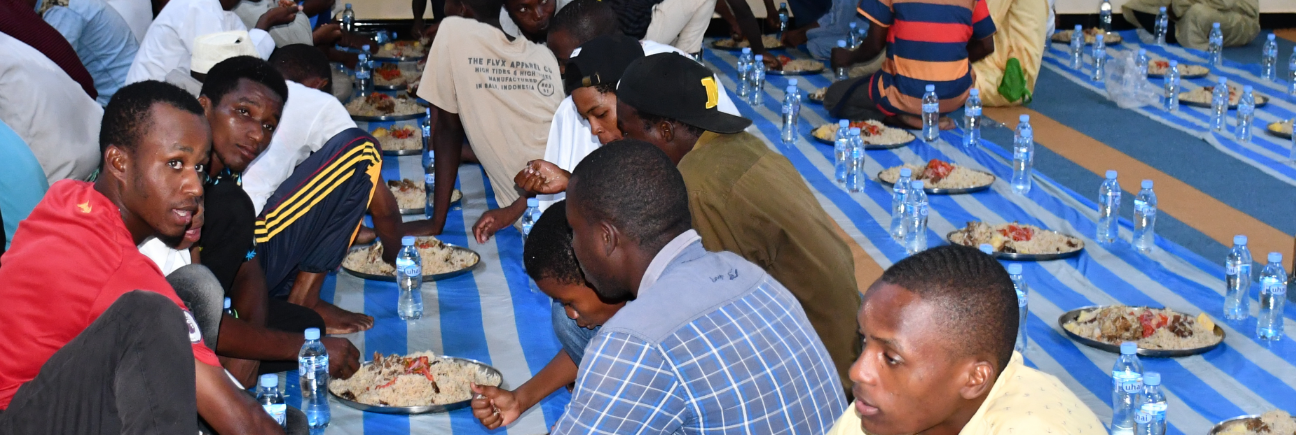
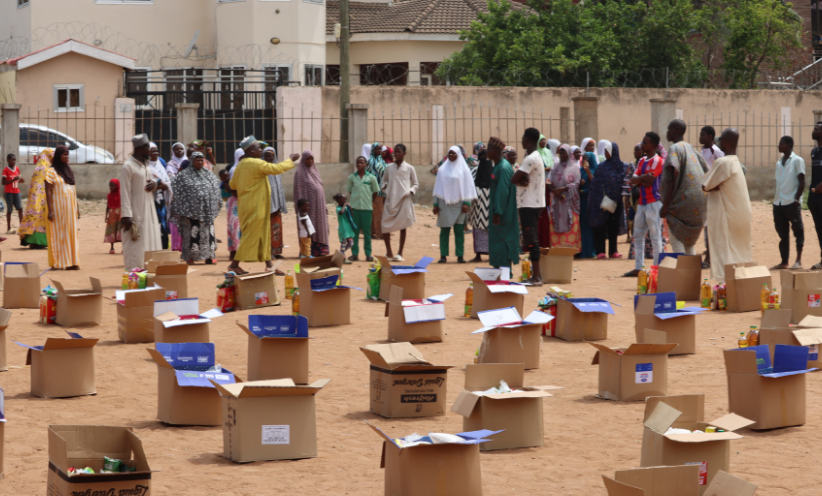
Food packages and community kitchens do different jobs. A package of staples lets a family cook at home where markets still function, while a kitchen serves hot meals to people who have lost the means to cook, many of them displaced. Kitchens also feed large numbers from one site, which matters when roads are unsafe.
2. Care for Mothers and Young Children
Malnutrition is where a crisis shows most plainly. A May 2026 joint analysis by FAO, WFP and UNICEF found that, between January and March 2026, almost 100,000 children in Sudan were admitted for treatment of severe acute malnutrition, a condition that can kill without urgent care. By June 30, 2026, UNICEF's nutrition response in Sudan faced a 79 per cent funding gap, and a shortfall in therapeutic food supplies put the continuity of treatment at risk. Pregnant and breastfeeding women share the danger, since repeated outbreaks speed up nutritional decline among them and their youngest children.
3. Clinics and Disease Prevention
Fighting has hollowed out Sudan's health system, with around 40 per cent of health facilities no longer functioning as of May 2026, according to the same May analysis. Disease fills the space that care leaves behind. Between January 1 and December 28, 2025, the World Health Organization recorded 1,830 cholera deaths in Sudan and 80,431 cholera cases in South Sudan, the highest case count in WHO's African Region that year. Mobile clinics and outbreak response bring treatment to people who can no longer reach a hospital.
4. Clean Water and Hygiene
Cholera spreads through unsafe water, which makes water points, purification supplies and hygiene kits a form of health care. Damaged networks and crowded displacement sites leave families using whatever source is closest, and one contaminated source can seed an outbreak. Permanent wells are usually built where communities are settled, while emergency work keeps the water people already use safe to drink.
>> Related Post: How Your 2026 Year-End Donations Can Change Lives in Africa
Donating to Africa on Giving Tuesday With ARCD
ARCD’s Giving Tuesday 2026 appeal pays for clinic care for mothers and newborns, safe water and hygiene supplies, and meals served from community kitchens, alongside ARCD's ongoing Sudan emergency food appeal. Its food and nutrition program, health program and WASH program carry the same strands into longer-term work elsewhere on the continent.
ARCD's Global Impact on Millions of Lives
ARCD’s humanitarian work has reached millions of people through initiatives focused on clean water, education, orphan care, and community development.
These milestones reflect the scale of its work and its ongoing commitment to improving lives and creating opportunities for vulnerable communities.
- 11M+ — Lives Reached
- 2,969+ — Water Wells Built
- 39,000+ — Orphans Sponsored
- 262 — Schools Established
- 32 — Countries Reached
>> Join ARCD's Giving Tuesday appeal and help carry relief past the point where the headlines move on.
FAQs
1. Why do some crises in Africa receive far less aid than others?
Funding tends to follow news coverage, political interest and how easily agencies can reach people. Crises that are slow, remote or hard to report can fall behind even when needs are severe, and donor governments often concentrate money in the places they prioritize.
2. Does a small gift matter in a crisis as large as Sudan's?
Yes, because relief is bought in small units: a meal, a hygiene kit, a course of treatment. Small gifts add up quickly on a shared giving day, and flexible ones help cover gaps that larger grants leave behind.
3. What happens to a gift if fighting cuts off access to an area?
Charities usually redirect support to the nearest reachable communities or to families who have moved, as long as the work stays within the purpose of the appeal. Donors can ask how a charity decides where to shift aid and how it confirms that supplies were delivered.
4. Is emergency relief or long-term development the better use of a gift?
They work on different timelines. Emergency relief keeps people fed and treated through a crisis, while wells, schools and clinics reduce how hard the next shock hits. In active conflict zones relief usually comes first, and development work picks up where communities are settled.
5. Do Sudanese families who fled the country also need help?
Yes. Many have crossed into neighboring countries such as Chad, South Sudan and Egypt, where host communities were already stretched. Regional refugee appeals cover those responses, so donors who want to reach Sudanese families outside the country can look for appeals that name the host country.


