

Want to Support Clean Water in Africa From the USA? Here's How to Help
Published Date:
Supporting clean water in Africa from the U.S. can feel out of reach when the communities that need it are thousands of miles away. Yet the options go well beyond a single donation, and most of them can be done from home. You can give to a registered nonprofit that builds water projects, fund a complete well, double a gift through your employer, rally friends behind a fundraiser or volunteer in your own community. Every one of these turns support from home into water that a community can rely on for years.
This guide explains why clean-water access remains a challenge in parts of Africa, how water projects can be supported from the USA, what different donation amounts may contribute, and how to assess a charity before giving.
Why Clean Water in Africa Still Needs Support
Access to safe water has improved worldwide, but the gaps are widest in the places with the fewest resources. The latest WHO/UNICEF Joint Monitoring Programme report found that 1 in 4 people globally still lacked safely managed drinking water in 2024, meaning water on the premises, free from contamination and available when needed. For families without it, the alternative is often a long walk to a shared source that may not be safe to drink.
The Health Toll of Unsafe Water in Africa
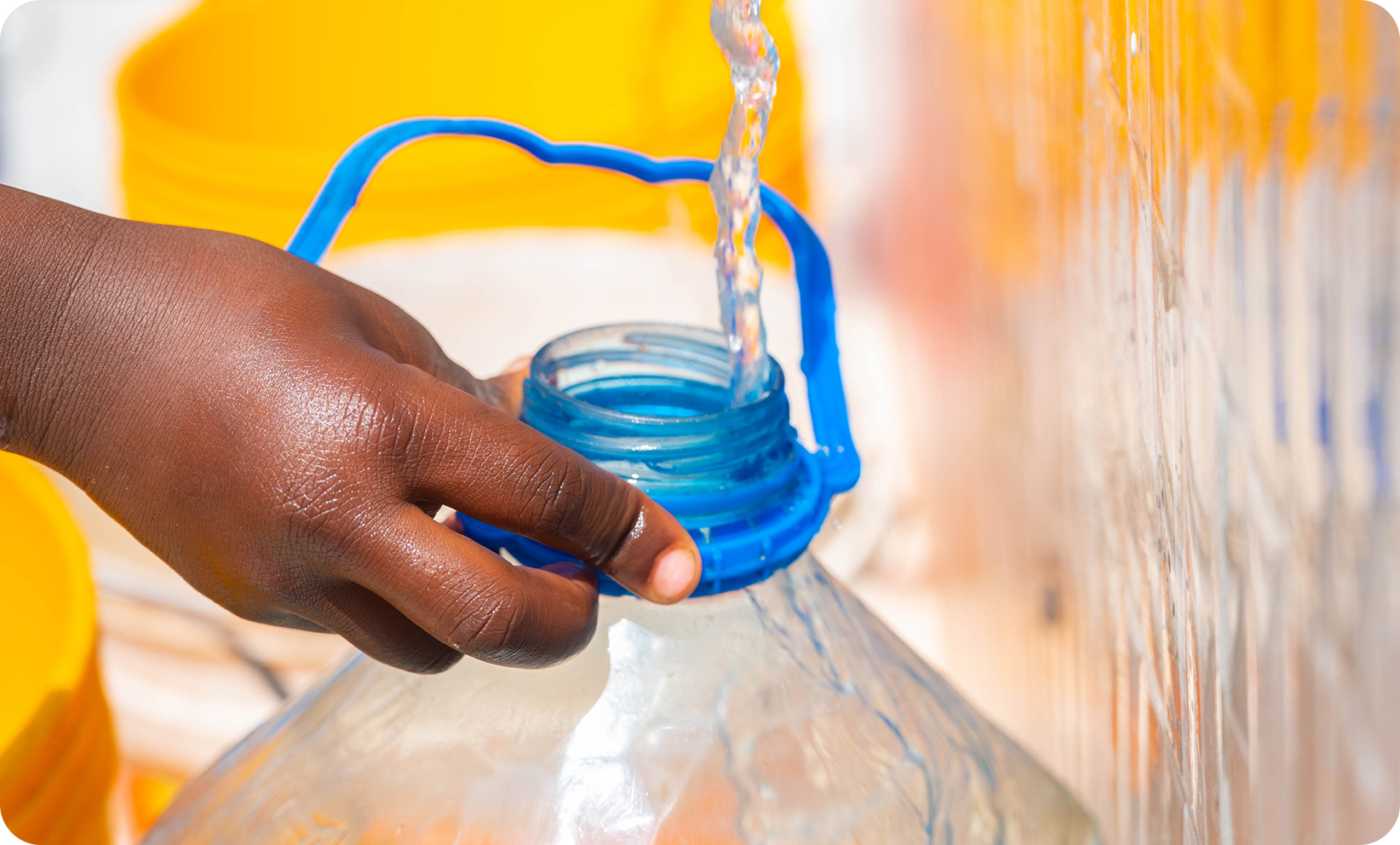
A well is easy to picture as a cup of water, but its bigger effect is on health. From 1 January to 30 August 2026, WHO recorded 2,287 cholera deaths in its African Region, out of 2,601 worldwide. Nigeria, the Democratic Republic of the Congo and South Sudan reported the most cases in the region, and WHO links continued spread in Nigeria and South Sudan to inadequate water and sanitation. Sudan is counted separately under WHO's Eastern Mediterranean Region, so its cases are not included in these totals.
>> Related Post: Building Water Wells in Africa: Costs, Benefits, and Impact
How Clean Water Projects Get Built From the USA
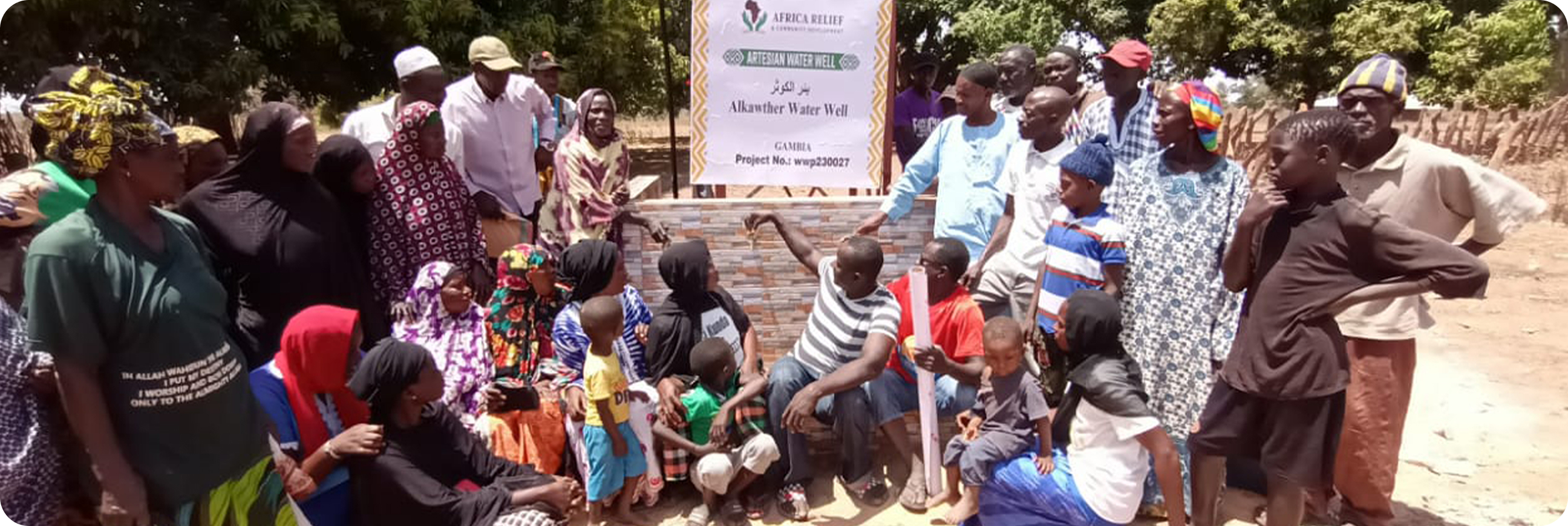
Helping from a distance can feel second best, as if real impact requires being on site. In practice, the people best placed to build and look after a water point already live near it. Many U.S. nonprofits work through local staff, regional offices and community partners who know which villages need water most and which type of project suits the ground.
That changes what supporters in the U.S. are needed for. Funding pays for drilling, materials and pumps, while introductions and local fundraising bring in new donors. People willing to share the cause in their own communities extend its reach further than any single gift.
What Different Donation Levels Can Do
A complete well costs thousands of dollars, so a modest donation can look too small to matter. It isn't. Most water appeals pool smaller gifts into community projects, while larger gifts can fund an entire water point.
Source: ARCD Water Well Program
The right level depends on what you want your gift to do. A smaller gift adds to work already underway. A full project gives one community its own water source and, with some charities, a named well you can follow from start to finish.
How to Check Where Your Donation Goes
Giving from far away means relying on the charity to report back honestly. A few checks before you give will tell you whether a water appeal is well run.
- Confirm the charity’s tax status. Search its name or EIN in the IRS Tax Exempt Organization Search to make sure it can receive tax-deductible donations.
- Ask what happens after the well is built. A water point needs repairs over the years, so a charity should be able to explain who will keep it running and how.
- Ask how the charity reports back. A clear answer about what you will receive once a project is finished, and when, is a good sign that the charity tracks its work.
- Read the charity’s Form 990. This public tax filing shows revenue, spending and governance, and many charities post it on their websites.
>> Related Post: Solutions to Water Scarcity in Africa Are Making a Difference
How to Support Clean Water in Africa From the USA With ARCD
Choose the option that fits your budget and time. ARCD is a U.S. 501(c)(3), and donations may be tax-deductible to the extent allowed by law; the guide to tax-deductible charities supporting Africa explains the details.
>> Fund a water well in Africa and give a community in Africa safe water close to home.
FAQs
1. How to decide where a well is built?
ARCD works through local teams, regional offices and community partnerships to identify communities with urgent water needs. The project type is then matched to that community's needs. Depending on the site, a well is fitted with a hand pump or a solar-powered system.
2. Who looks after a well once it's built?
ARCD forms and train a community water and hygiene committee to manage and maintain each facility, and support ongoing maintenance so ownership stays with the community. The wells are designed to serve communities for 15 years or more, though actual service life depends on upkeep.
3. Will I see proof that my gift was used?
Where available, donors receive proof of completion, including photos, videos and location details. If you sponsor a complete well, you also receive progress updates directly as the project moves forward.
4. Does my employer match volunteer time as well as donations?
Some employers match the hours you volunteer, usually through a volunteer grant program, so check your company's policy. For a donation match, most companies ask for the charity's legal name, EIN and mailing address.


