

Why the Holiday Season is a Time to Give Back to Those in Need
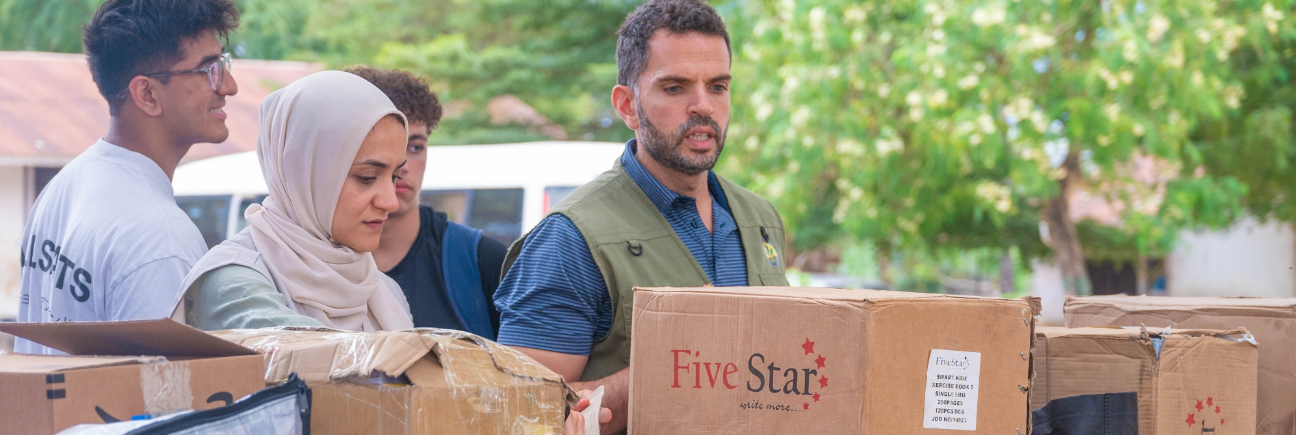
Published Date:
The holiday season is a time when many people gather with family, share meals and reflect on what matters most. It can also be an opportunity to support families facing hardship and children who need consistent care.
Across communities affected by poverty, food insecurity and displacement, access to nutritious food, healthcare and education can remain a challenge. For families already struggling to meet essential needs, additional support can make a meaningful difference.
For donors in the United States, holiday giving offers a chance to turn generosity into practical support. Whether you choose to help provide food assistance or support the care and education of orphaned children, thoughtful giving starts with understanding the needs a charity works to address and how your donation may be used.
>> Related Post: Best Charities to Donate to for Year-End & Holiday Giving 2026
5 Reasons the Holiday Season Is a Time to Give Back to Those in Need
1. Food Assistance Can Help Families Facing Hardship
For families struggling to afford basic necessities, putting food on the table can be a daily concern. Donations to organizations providing food assistance can help fund food supplies and relief programs for communities facing hardship. During the holiday season, giving can be one way to support families who may otherwise struggle to meet their essential needs.
2. Children Need Consistent Care and Support
Children affected by poverty, family loss and displacement may face challenges accessing food, healthcare and education. Supporting programs that address these needs can help provide children with essential resources and a more stable environment.
3. Displacement Can Make Everyday Needs Harder to Meet
When families are forced to leave their homes, they may lose access to livelihoods, familiar support networks and basic services. Humanitarian assistance can help address immediate needs, including food and essential supplies, while families navigate difficult circumstances.
4. Education and Healthcare Remain Important Beyond the Holidays
Children and families need support throughout the year, not only during seasonal appeals. Contributions to reputable organizations can help sustain programs addressing education, healthcare and other essential services. Before donating, check which services a charity actually provides and whether your gift supports those programs.
5. Charities Need Support to Continue Their Work
Humanitarian programs rely on funding to plan and deliver assistance. Seasonal donations can contribute to this work, while regular giving may help organizations plan for ongoing needs. Donors can make informed choices by reviewing a charity's programs, transparency information and the communities it serves.
>> Related Post: How Your 2026 Year-End Donations Can Change Lives in Africa
Why Many Americans Give During the Holidays
For many U.S. donors, Thanksgiving, GivingTuesday (December 1 in 2026) and the weeks before the new year create familiar moments to support a cause. Faith and year-end reflection shape much of that giving. Neither sets a deadline; they simply make the season a natural time to think about it.
Traditions of Sharing Across Faiths
Christmas and Hanukkah both carry long traditions of sharing with people in need, and Sadaqah, the voluntary charity encouraged in Islam, can be given at any time of year, including the holidays. Families without a faith tradition often build giving into their celebrations too. Whatever its roots, the season gives people a shared reason to look beyond their own tables.
What Draws Donors to Year-End Giving
The end of the year invites reflection, and many people decide what they want to support before the calendar turns. Year-end bonuses add a practical reason to charitable holiday giving for some households. A gift to a registered charity with clear programs is easier to trust, and the IRS Tax Exempt Organization Search lets you confirm a U.S. organization's status before giving to charity during the holidays. If you are moving from why to where, a roundup of charities to consider for year-end and holiday giving can help narrow the choice.
>> Related Post: Want to Support Clean Water in Africa From the USA? Here’s How to Help
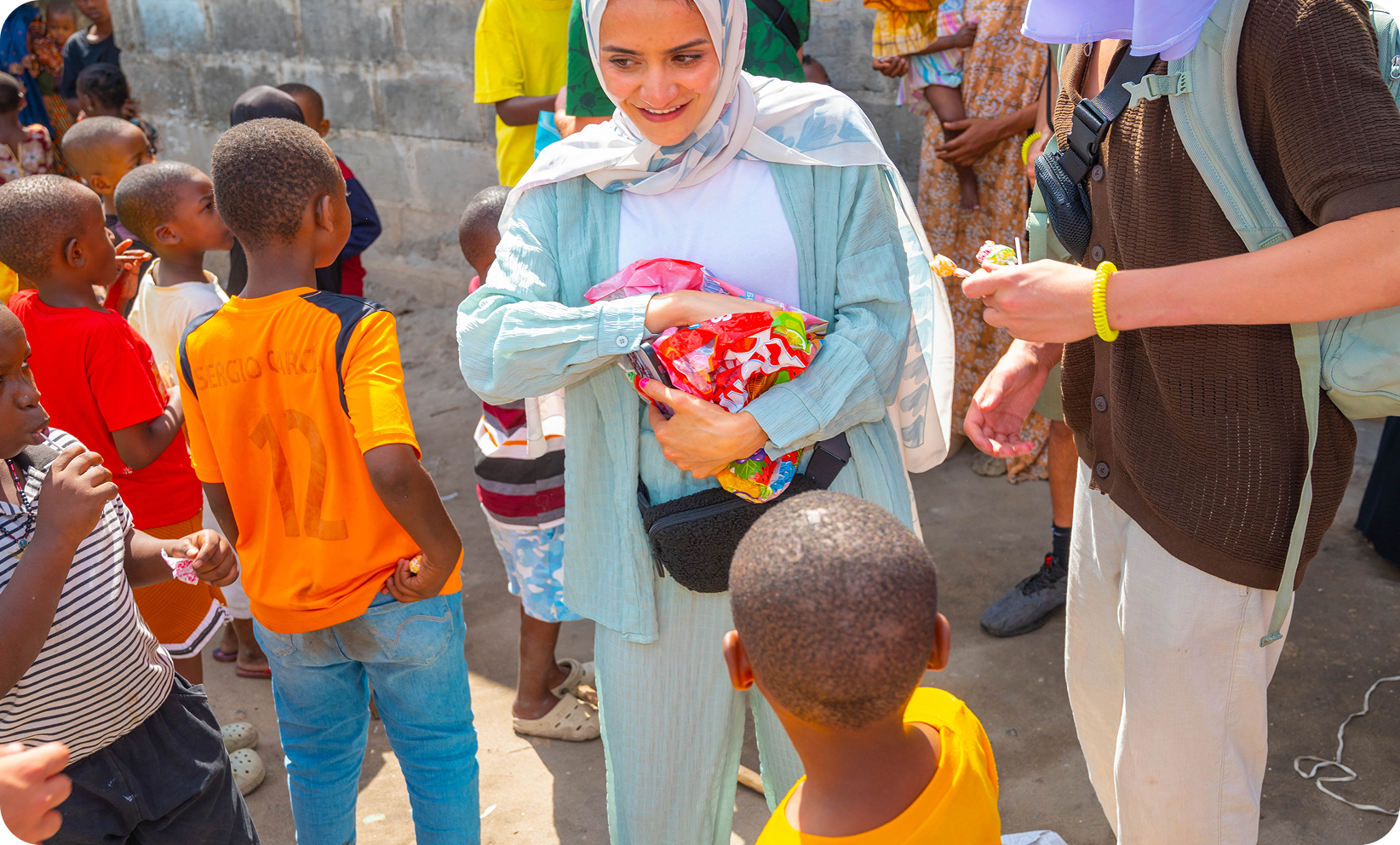
Holiday Giving With ARCD: Meals and Orphan Care This Holiday Season
Africa Relief and Community Development (ARCD) is a U.S. 501(c)(3) nonprofit working across Africa on food, water, health, education and orphan care, and it holds Candid's Platinum Seal of Transparency.
For donors considering a holiday gift, ARCD's seasonal appeal offers options to support families facing hardship and children who need ongoing care. You can explore the available giving options, review what each gift is intended to support, and choose an amount that fits your budget.
Family-Based Care for Orphaned Children
For children who have lost a parent, ARCD supports them within their family units whenever possible rather than placing them in institutions. Through the orphan sponsorship program, guardians receive monthly cash support for essentials, a social worker checks on each child's wellbeing, and children receive school supplies.
>> Choose a holiday gift that fits your budget, from meals and food ration bags to family-based care and education for orphaned children.
FAQs
1. What does "lean season" mean?
The lean season is the period after a household's food stocks run out and before the next harvest comes in. Its timing differs by region and by how families make a living, so farming and herding communities in the same country can face it in different months. It is usually when food prices are highest and families are most likely to cut meals.
2. Is it better to give during the holidays or spread gifts throughout the year?
Both help in different ways. A holiday gift arrives when appeals and many needs peak together, while gifts spread across the year give a charity steadier funding to plan its programs. Some donors give once in December and add smaller gifts later in the year.
3. Should I give locally or internationally during the holidays?
Both meet real needs, and the right choice depends on what matters most to you. Some donors split a holiday budget between a cause close to home and one abroad. That way, their giving reaches both their own community and families much further away.
4. How can I give to families in Africa from the U.S.?
The simplest route is a U.S.-registered charity with programs in the countries you care about. Giving through a U.S. 501(c)(3) keeps the process familiar and provides a receipt for your records. It is worth checking which countries an appeal covers before you give.
5. How do I choose between food aid and orphan care?
Food aid meets an immediate need during the hardest months, while orphan care supports a child's stability over a longer period. Neither is the wrong choice. Giving to both is also an option, covering an urgent need and a longer commitment at once.


